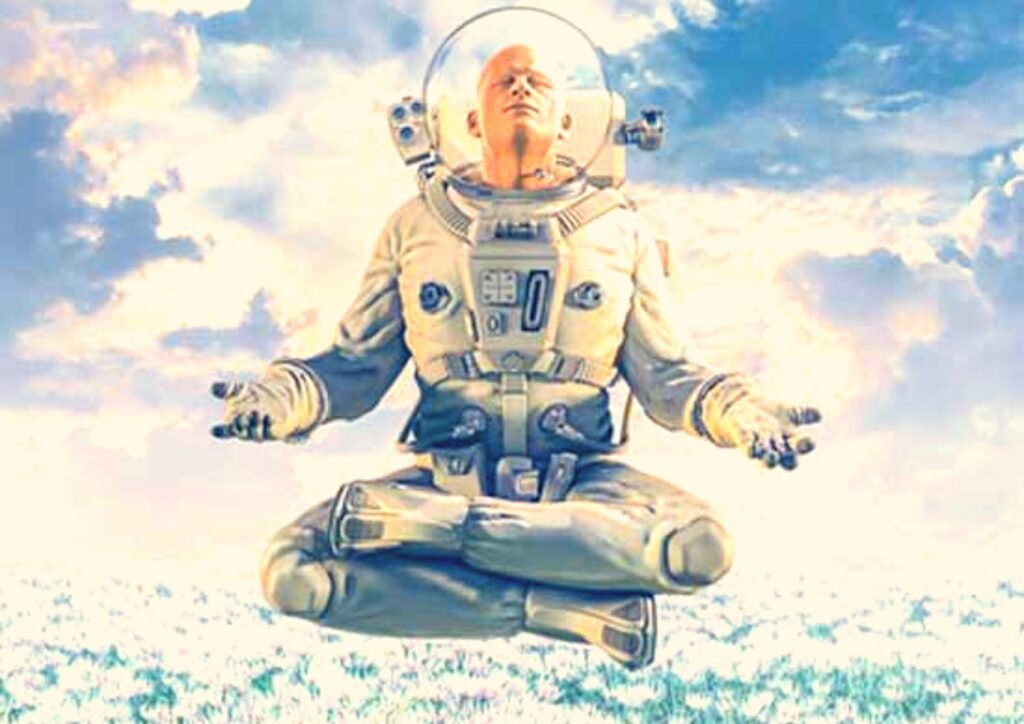
The evolution of Homo sapiens was not an easy process, but rather a long sequence of divisions within the species, with one of the divisions dying out and the other evolving into a different family group, but the common factor between the human evolution and any other organism’s evolution process was that the process involved the most basic principle, survival of the fittest.
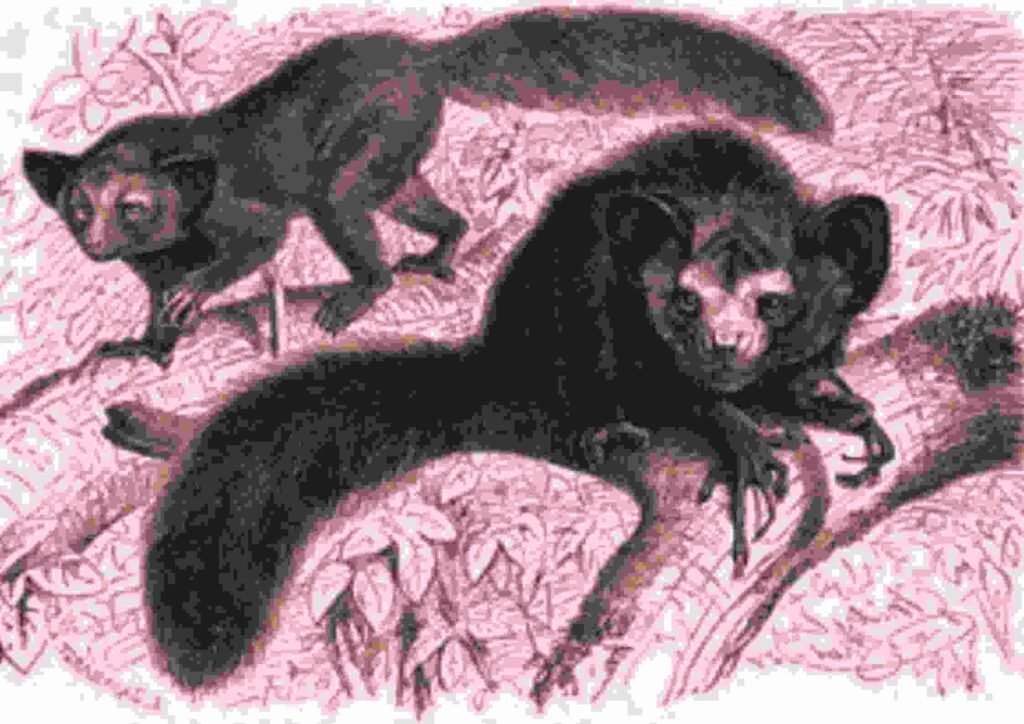
The evolution of Australopithecus, the ancestor of modern man; has been sourced back to 85 to 65 million years ago. The archaeological researches are searching for the links in the chain leading to the evolution of modern man, but the beginning’s been traced back to Euarchonta, a group of small, insect-eating, arboreal and nocturnal mammals, which to a small extent, looked like modern-day lemurs.
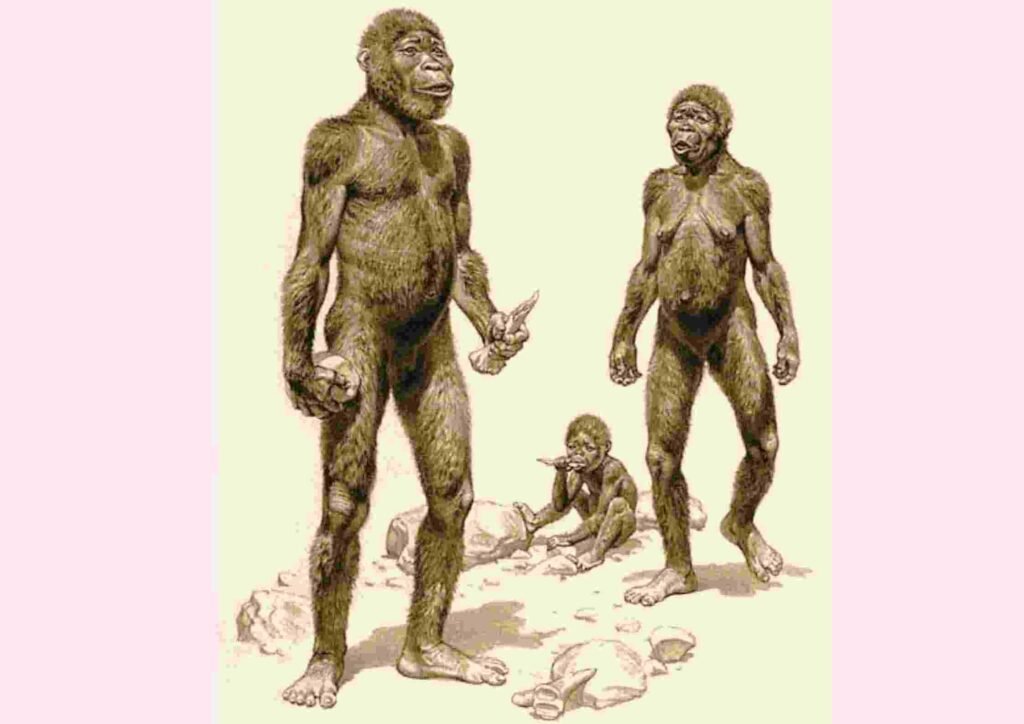
It took 70 million years for Australopithecus afarensis to evolve from Euarchonta, and along the way were divisions of primates into different families with one of the lineages evolving further and the other family staying as primates. The Australopithecus afarensis is considered to be the ancestor of the genus Homo.
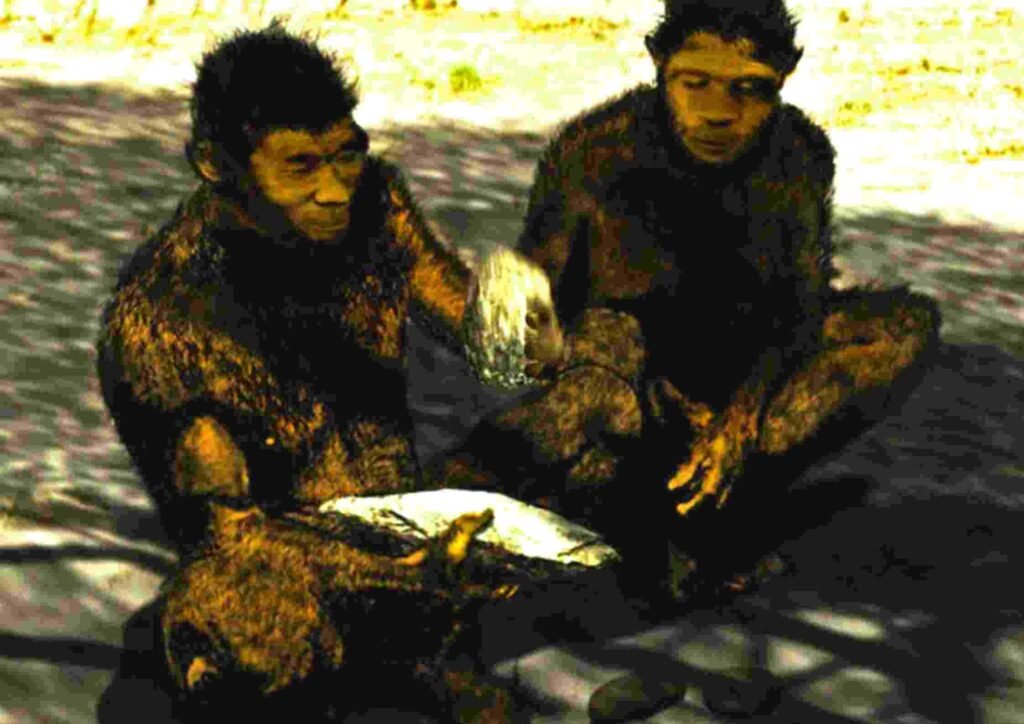
Three million years ago, Australopithecus started losing their body hair and had fully developed bipedal motion. Twenty thousand years later, the Homo habilis, the first hominins to master stone tools appeared. The research is still in process to find the link between Australopithecus and Homo habilis.

This species is thought to be the ancestor of Homo ergaster, who later achieved the feat of controlling fire about 1.5 million years ago. Homo ergaster is also known as African Homo erectus which happened to evolve in Africa. The stone tools and bipedal motion enabled them to hunt animals for food.
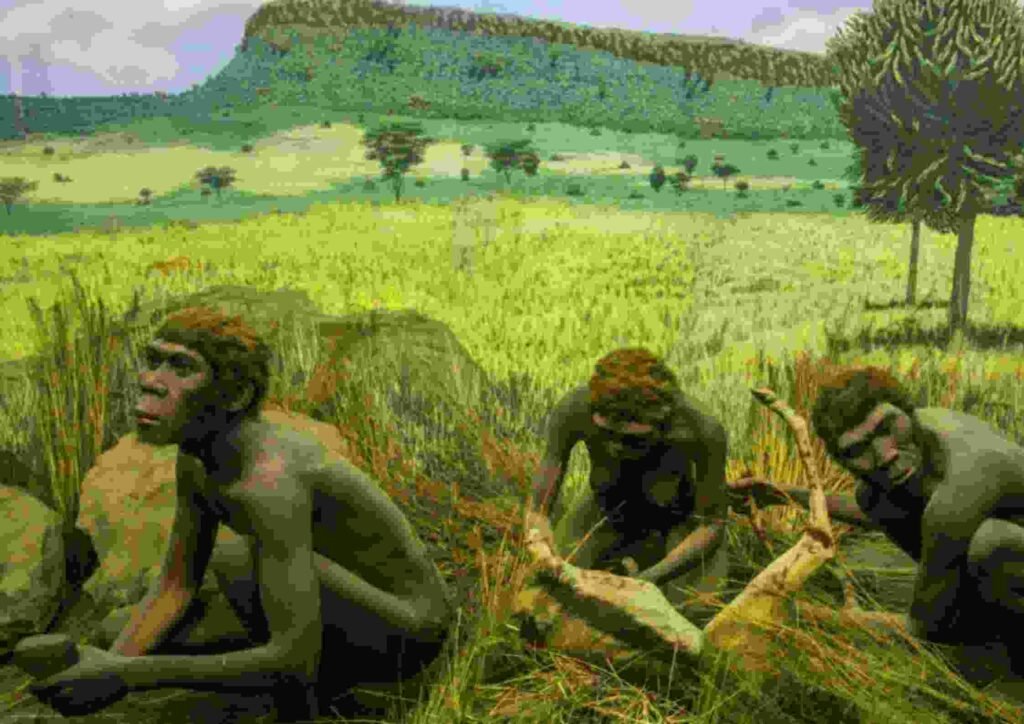
Around 1.2 million years ago, Homo antecessor, a common ancestor of Neanderthals and humans, evolved. The Neanderthals and humans share 95 to 99 percent of the DNA, with chimpanzees to be their common evolutionary relative.
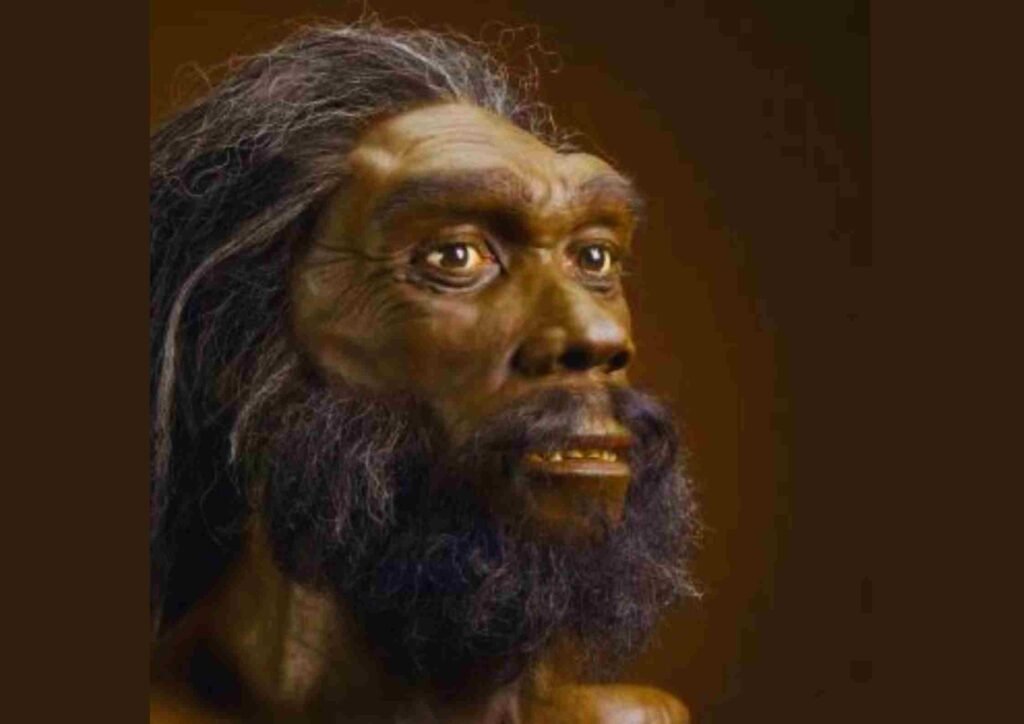
Around 900,000 years ago, Homo heidelbergensis evolved from Homo antecessor. This species was morphologically similar to Homo erectus, but with a larger brain size. Later, around 500,000 years ago, the Neanderthals and Denisovians separated from the common ancestor. The Denisovians, after 300,000 years, evolved into the anatomically modern Homo sapiens.
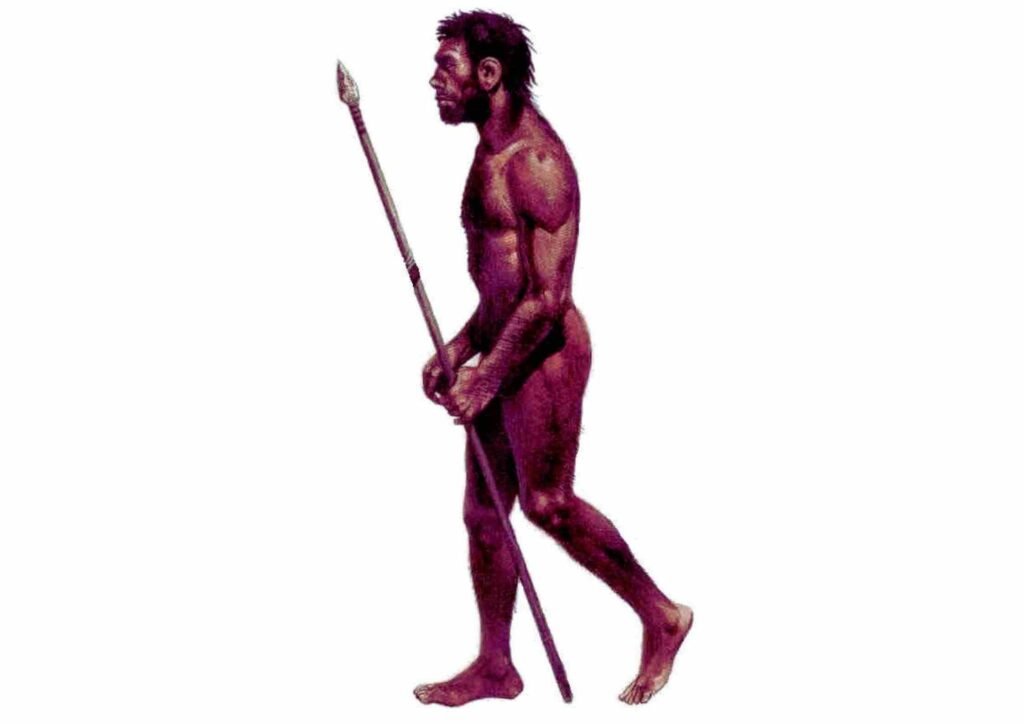
Fossil evidences point out the appearance of Homo sapiens at about 250,000 years ago. About 160,000 years ago, the Homo sapiens started functioning as a modern human, and 50,000 years later, the hitherto confined population of Homo sapiens started migrating to other parts of the world from Africa. The Neanderthals who evolved alongside died out around 30,000 years ago. The Holocene period which we are going through right now started 20 million years ago and along with it started the sixth mass extinction event in the history of Earth.
Now, with man successfully stepping into the picture, we have derived a fairly accurate picture of what we are made of, how we evolved and where we evolved in. As we saw earlier, this study about ourselves, through observation, contemplation and research is a tedious process with only a handful of individuals out of the total population making a steady progress forward.
This remains the reason why most people are comfortable with the tales of their religions and Gods, as to how we came about alive on this planet, right now, somehow.