Our current understanding of the universe and life is based on a large number of scientific theories that have been formulated through time by many intellectuals by understanding the processes that take place around them. The human mind’s individuality and the varying levels of mental capacity of people who live and die through the ages have enabled them to understand reality in their own subjective means and experiences.
Theories, as we know, are formulated based on calculations and observations. The more the evidence that prove the theories right, the stronger they get and conversely, if any single evidence disproves any of them, newer theories are formulated to replace the older ones and to give out better explanations for the phenomenon. The existing theories explaining the reality have been tested time and again and found to be true to a large extent, and so, we shall take the results of these theories for our understanding.
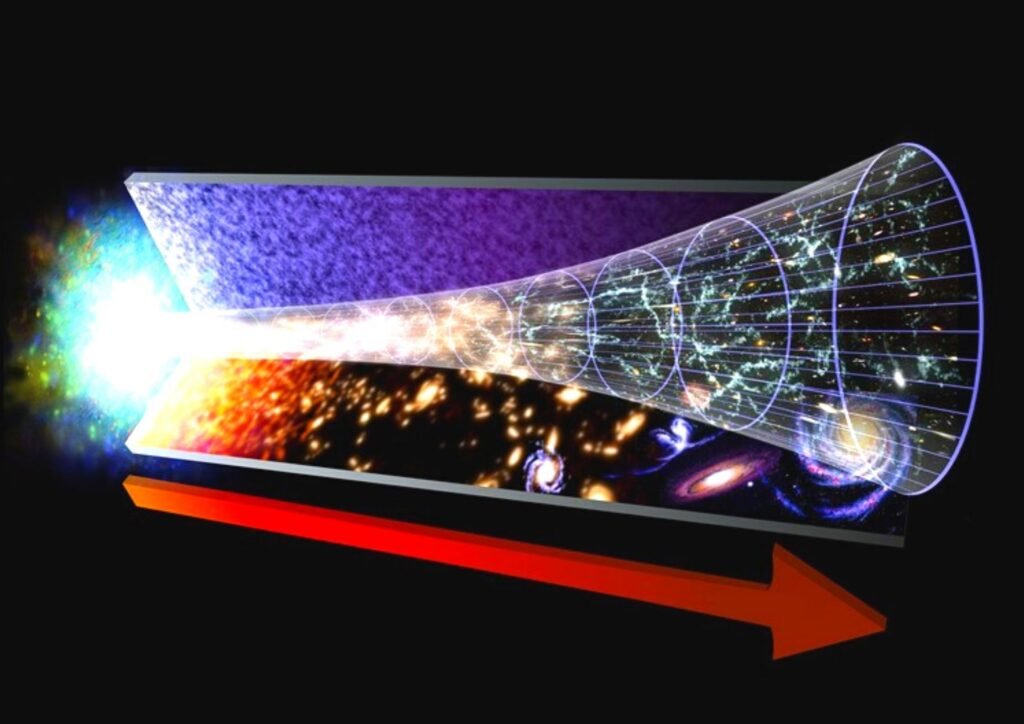
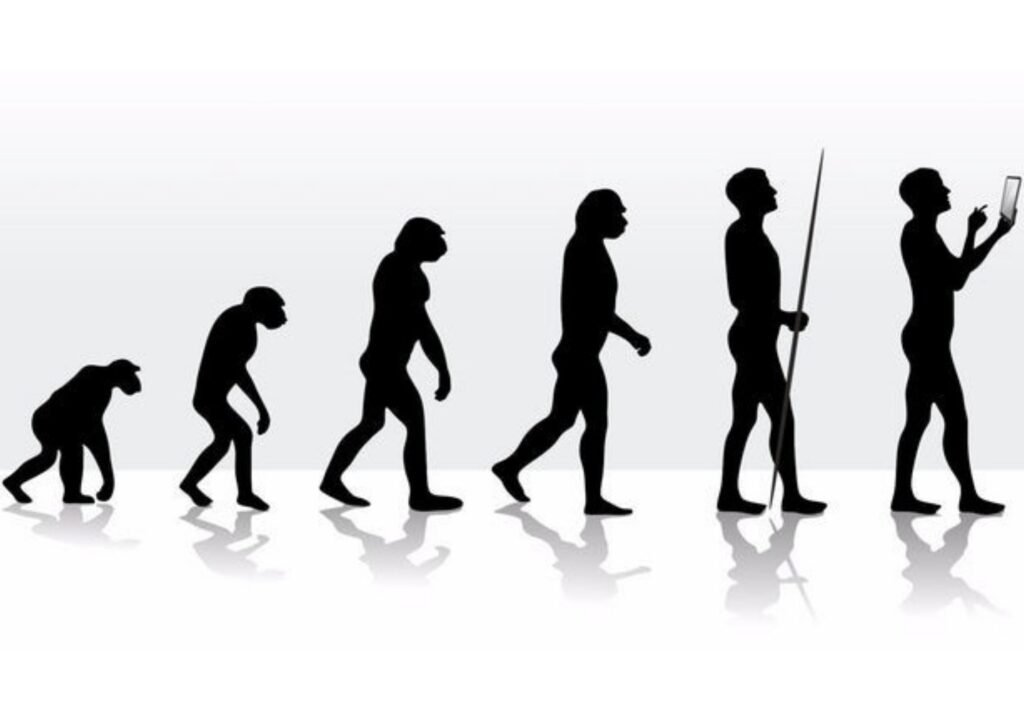
Theories like the Big Bang, evolution, etc., are well known, and we have a general idea about them and their working. But, there are still a few holes left in these theories, the ones that are usually ignored during our everyday thoughts and discussions about them. To understand these inadequacies, we must gain a complete idea about the theories first.
Natural sciences require facts for proof, and they are based on observation through our senses and recording any phenomenon taking place around us. With the working of senses, not completely understood by natural sciences, one can question the authenticity of the theories and their proofs.

It is generally accepted that any phenomenon occurring in nature if observed in the same way by 2 or more individuals can be considered true. However, with growth in technology over the last century, the ideas generated in science have gained observational proofs repeatedly and are beginning to be accepted as facts. Recent phenomena like the observation of gravitational waves and the detection of the Higgs boson – the God Particle – are some proofs of this change.
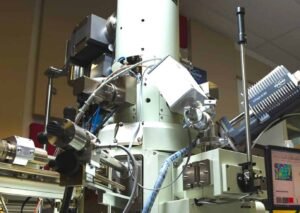
The growth of technology and the spread of knowledge about scientific ideas have affected other fields of human interests too. Science fictions and movies, for example, have adapted several ideas from scientific theories, time travel, extra-terrestrial life, parallel universes and so on. Explanations given by fiction writers have expanded human imagination in a great way too.
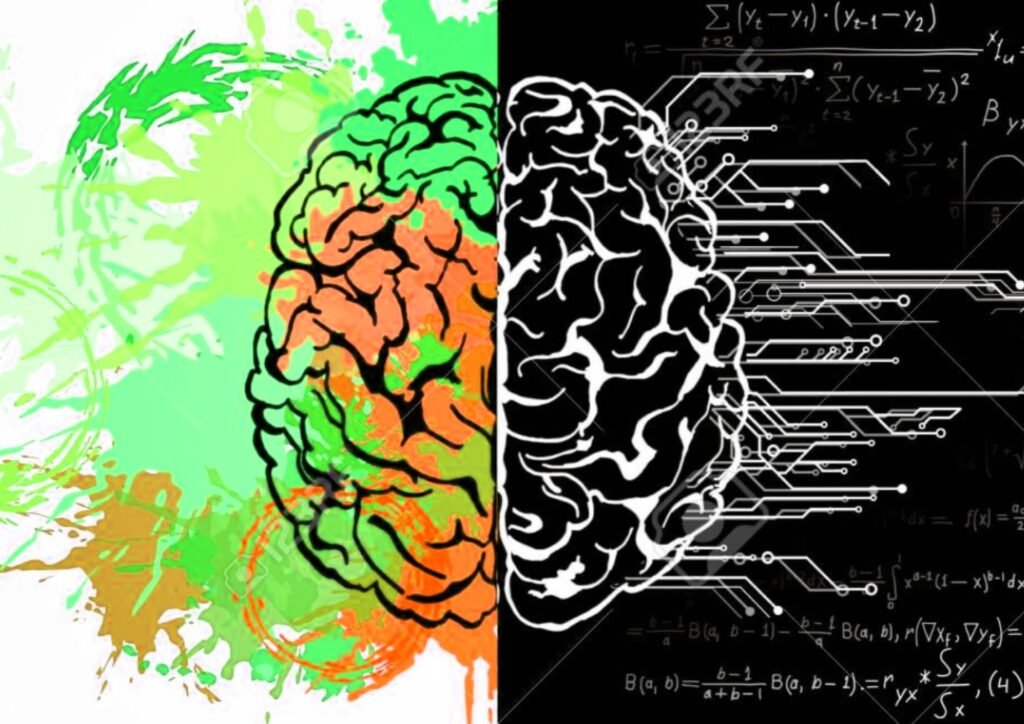
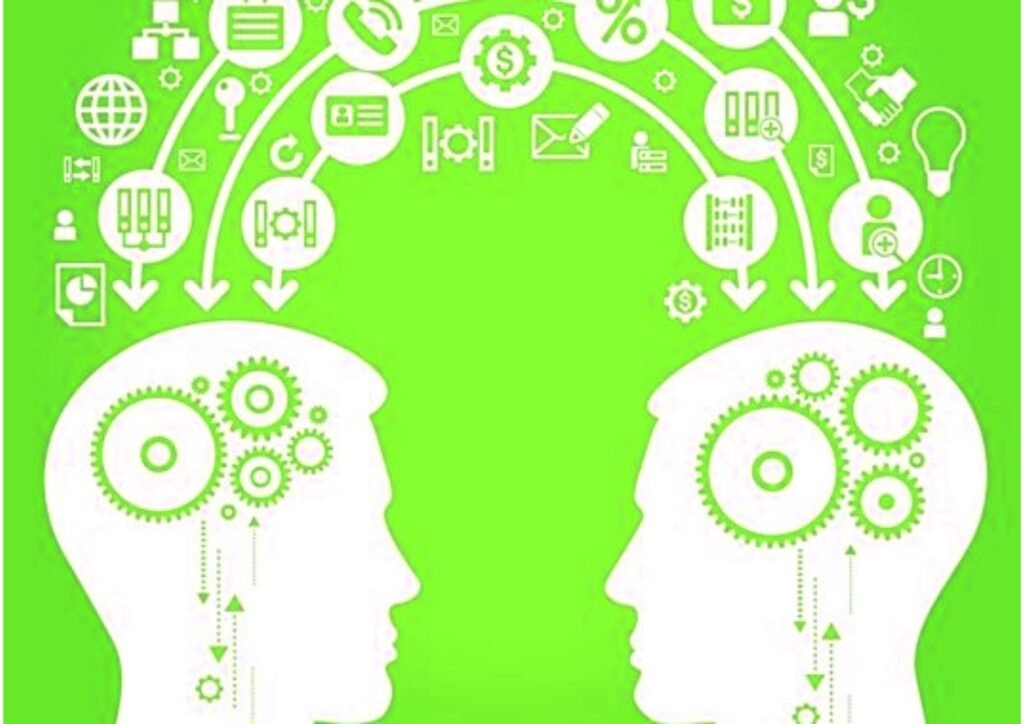
What lies at the base of understanding these scientific facts are the ideas we have gained and generated in our minds. This brings us to a fundamental question – What is the mind, and are there any scientific definitions to the concept called ‘mind’? It is simply explained as ‘that which is responsible for one’s thoughts and feelings’ or as ‘the seat of the faculty of reason’. The ‘that’ factor in the definition is inexplicable by words, isn’t it? And where does the ‘seat’ lie? Such questions make us search for the definition of ‘life’ in general and human life in particular since it is their answers that provide the solutions for every other question that rises in reality. Fortunately, we’ll get to these concepts in later chapters! Now to the questions about reality – where are we? And what are we made of?
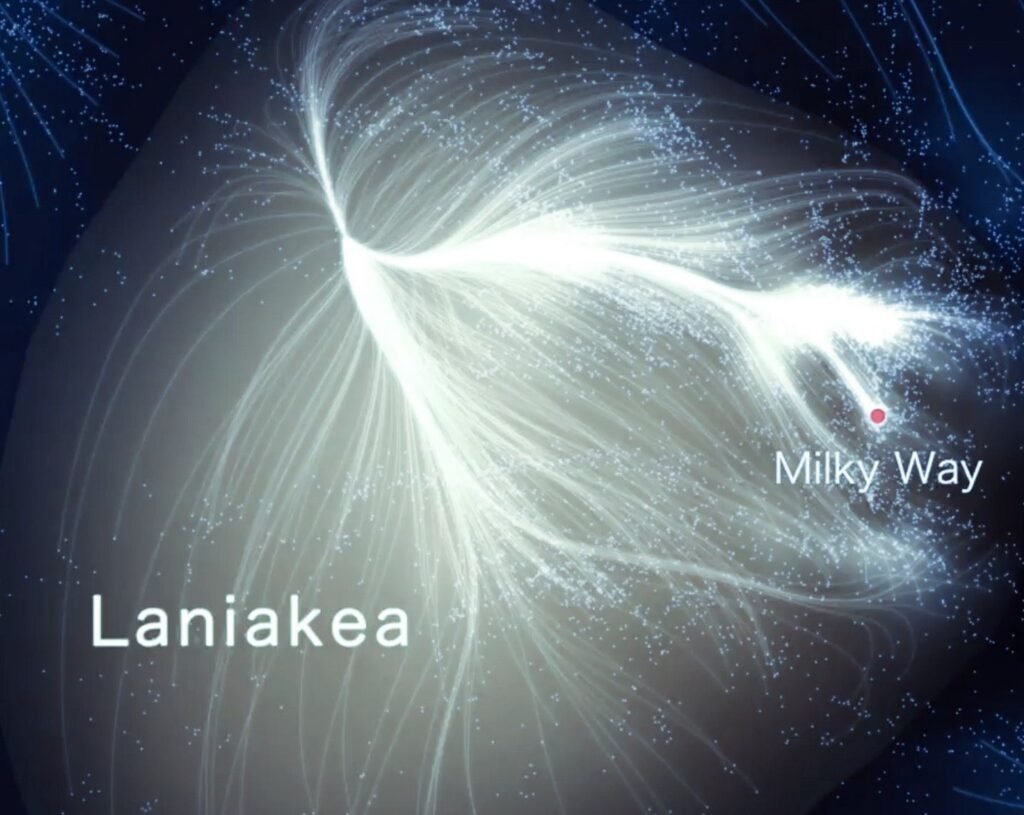
We are a species of life form that evolved on a teeny tiny planet revolving around a medium-sized star named the Sun which is revolving around a giant centre of energy, alongside similar stars – the structure collectively called a galaxy – floating along countless other similar structures, on an infinitely vast and continually expanding cosmos that has been named the universe.
As we know already, each of the terms in the above passage has wide meaning in terms of their origin, workings and the effects they have on our lives. To gain a full picture of our reality, we’ll course through their meanings one by one.