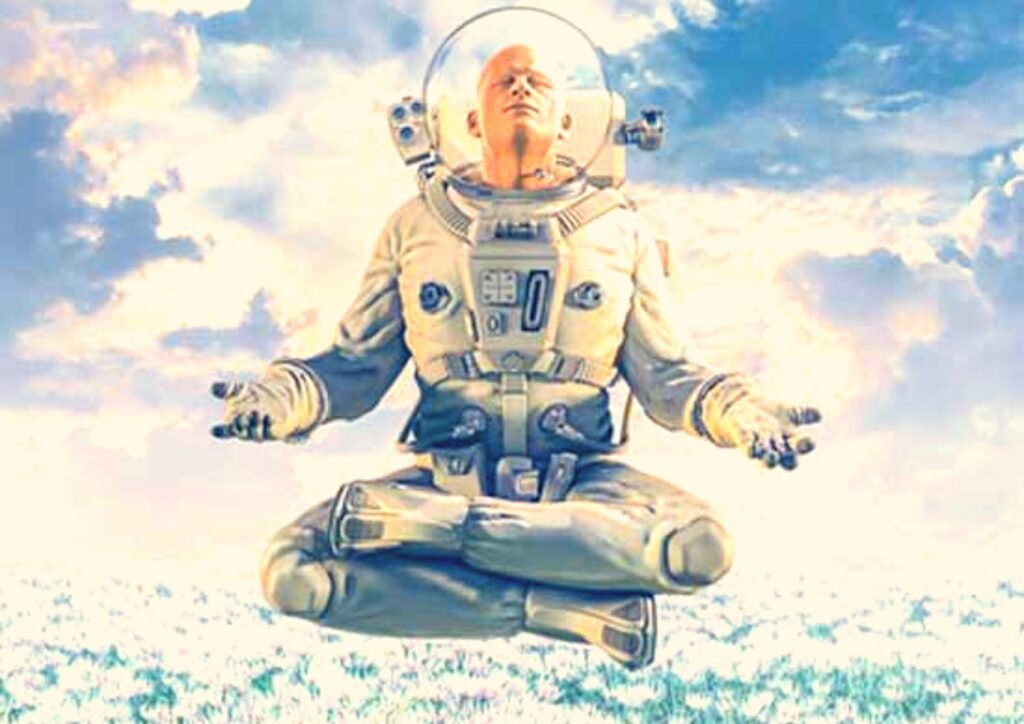
What life forms are we and how did we evolve into us? Our knowledge of biology points in the direction of different life forms which have evolved in our planet through time. The result being us, the six-sensed monkeys. Also, coming to our minds is the different classifications of life forms (or) living organisms based on their varying modes of survival.
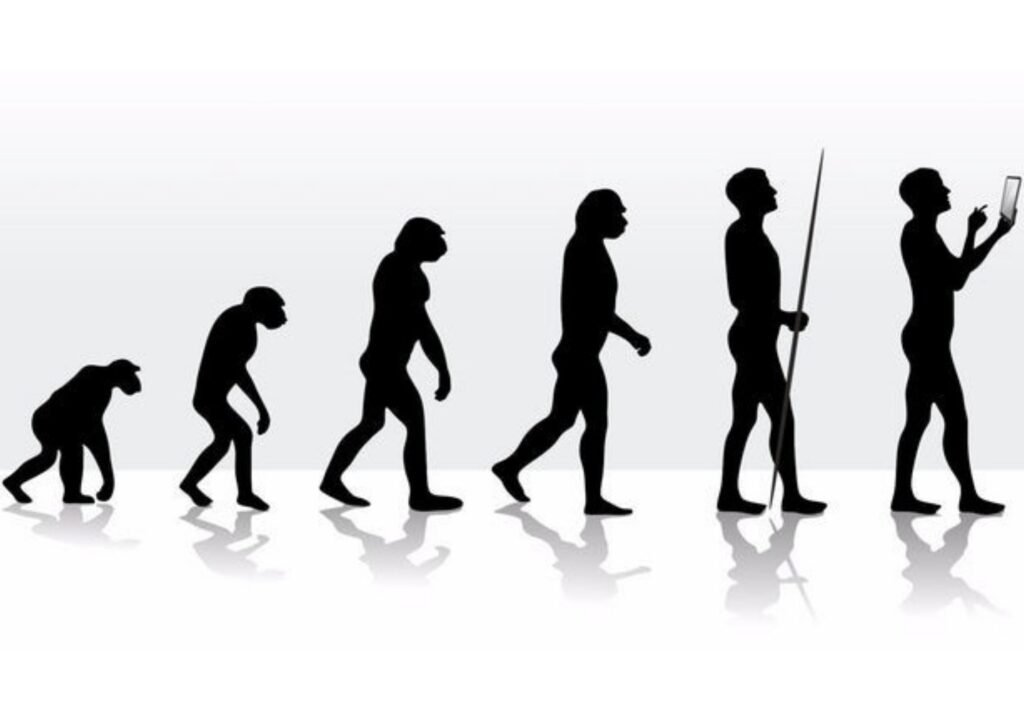
All through our lives, we see, hear about, and come across a variety of living organisms and wonder how they grew about to be them. And we see people involved in studying the organisms too, classifying them into different groups. This makes us conclude that the diversity of plant and animal life on our planet is damn too high (!) and it is usually impossible to see how they came about to be this way.
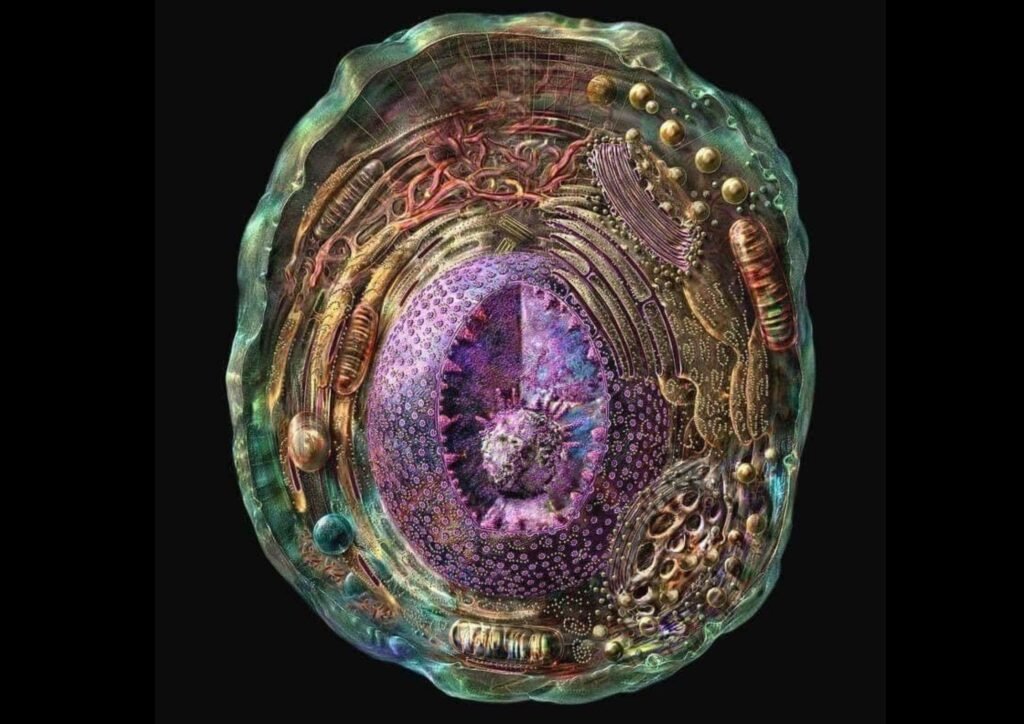
On the other hand, our general ideas about living beings indicate that life, however varied it might be, must have had a beginning at some point in the past. Our minds then jump to the evolution of the simplest living entity we have heard about in our biology classes, the cell. The cell is known as the basic structural and functional unit of all living organisms.
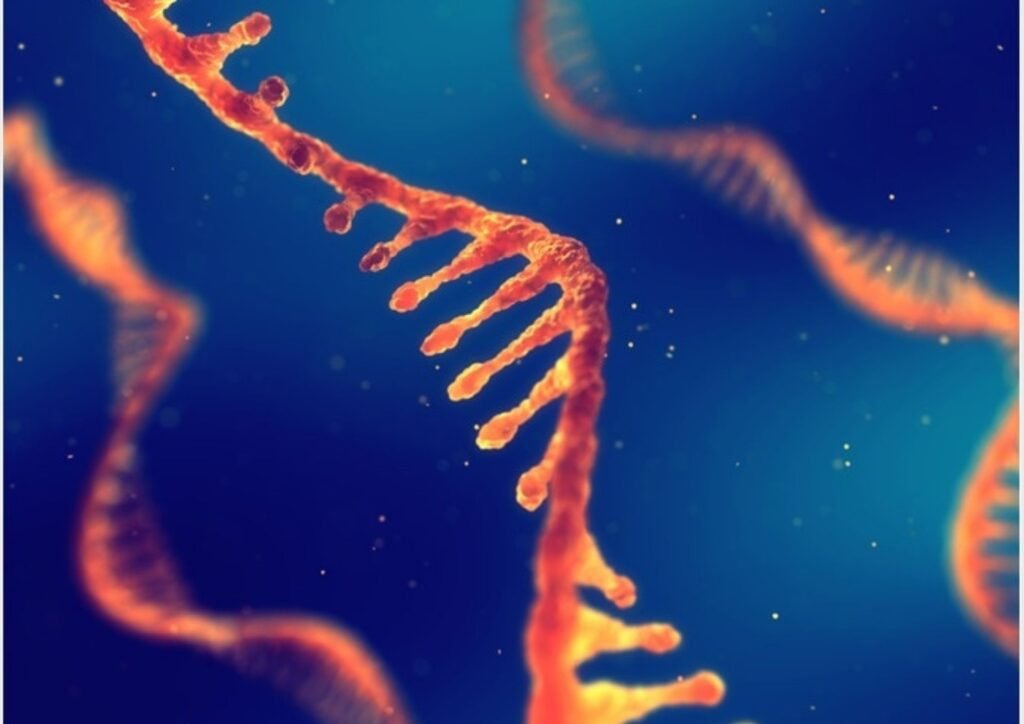
The different types of cells, tissues and the functions they perform are well known, like, neurons of the nervous system, stem cells that can replicate into any type of cells, etc. But, the cells can’t be the basic functional unit of life, can they? What elude our eyes are the much more integral parts of the living systems that are very necessary for life to take shape. We refer, of course, to the DNA and the RNA.
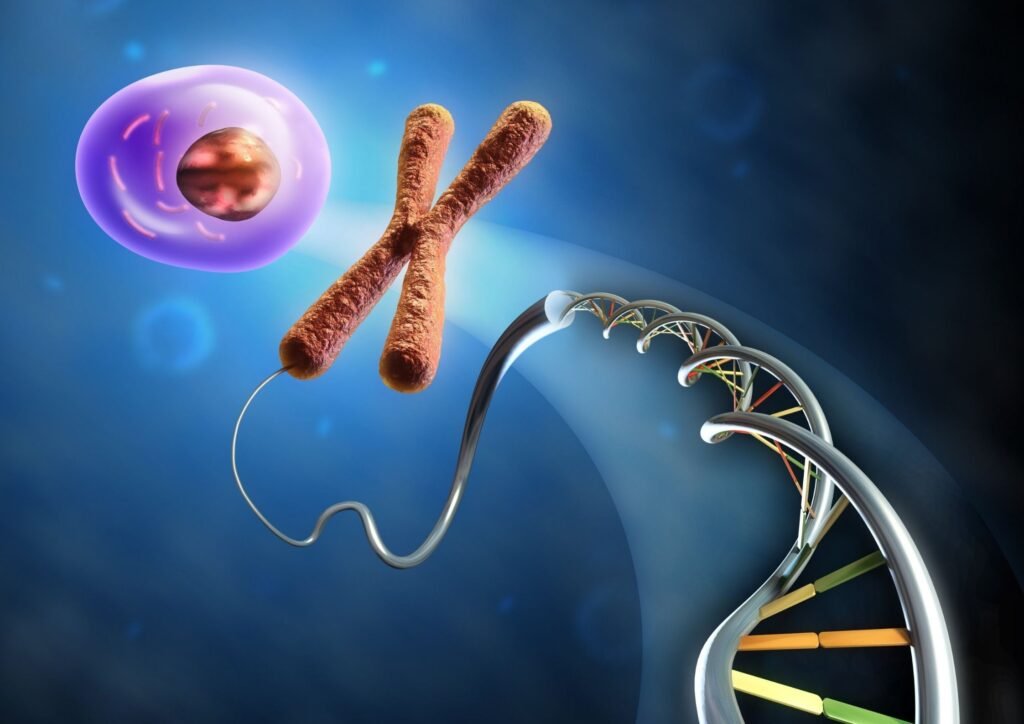
The working of these components being complex, they are under serious study in recent times. The functions, composition and the information these structures hold inside them are high in both quantity, and value. However, these important parts of the life system had a simple beginning in the past. The evolution of cells and life, in the long run, being dependent on these components, let’s look into their origin by getting back in time a few billion years!
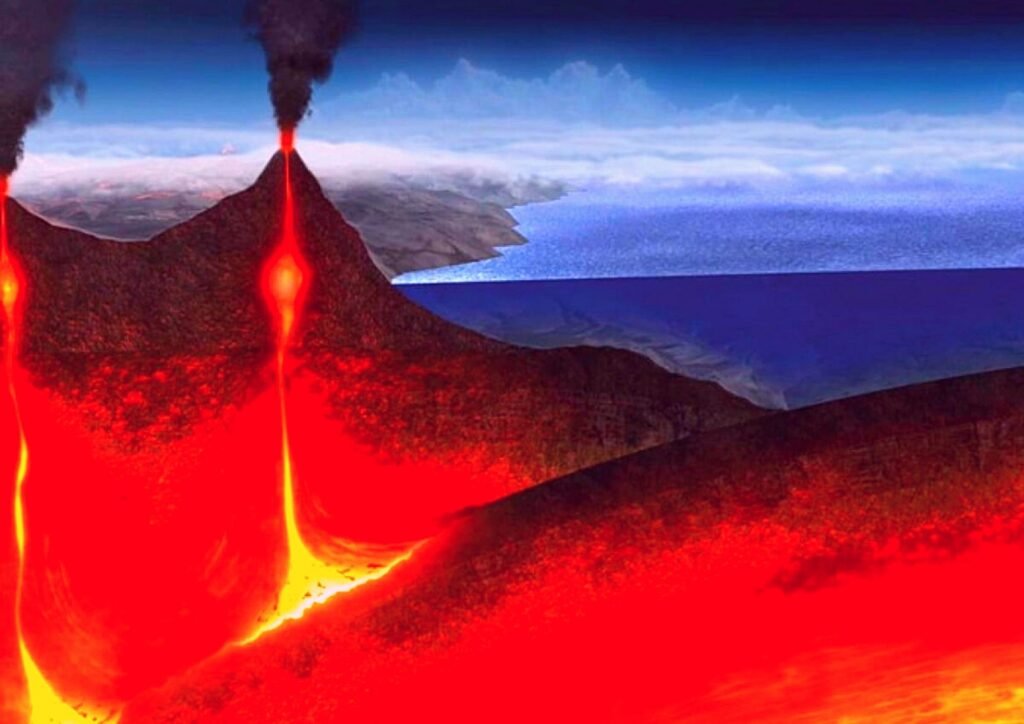
When Earth was newly formed (around 4.5 billion years ago!), and when water was available in the liquid state, a set of atoms started ‘interacting’ with each other. In chemistry, these interactions are named reactions, and they usually produce a compound. While in our case, the reaction was not to produce another compound, but a set of molecules that were capable of self-replication!
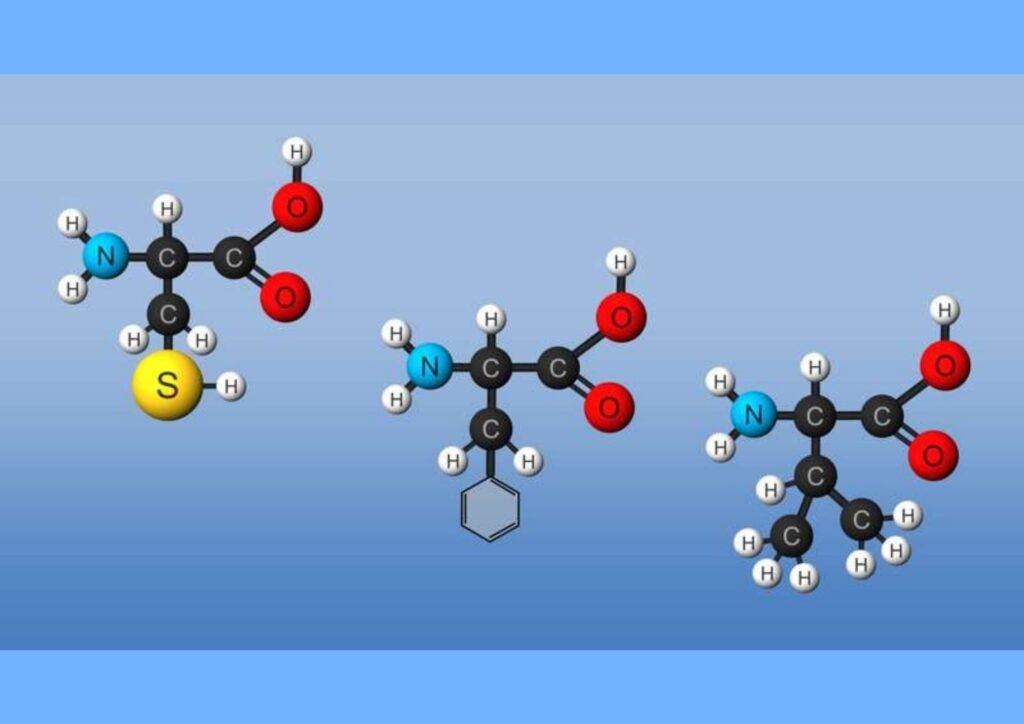
Atoms like, carbon, hydrogen, nitrogen and oxygen, had gained a property of attaching similar atoms to themselves and form long chains of molecules. This was an interesting property, since usually any set of atoms bond with other atoms to get stabilised into a strong molecule. Upon completion of the process, the molecules don’t usually pair up with similar molecules (or atoms) unless stimulated to do so.
Long chains of synthetic polymers are proof for this. But in our case, the molecules had gained the pairing property, naturally. Such molecules were later named the amino acids.