The self-replicating amino acids formed long chains of themselves, and they were aided by another set of molecules called the phosphates. The phosphates gave rigidity to the amino acids by forming a strand alongside them, where the amino acids latched on to. Such structures of amino acids on phosphate strands were named to be the RNA or Ribo Nucleic Acids.
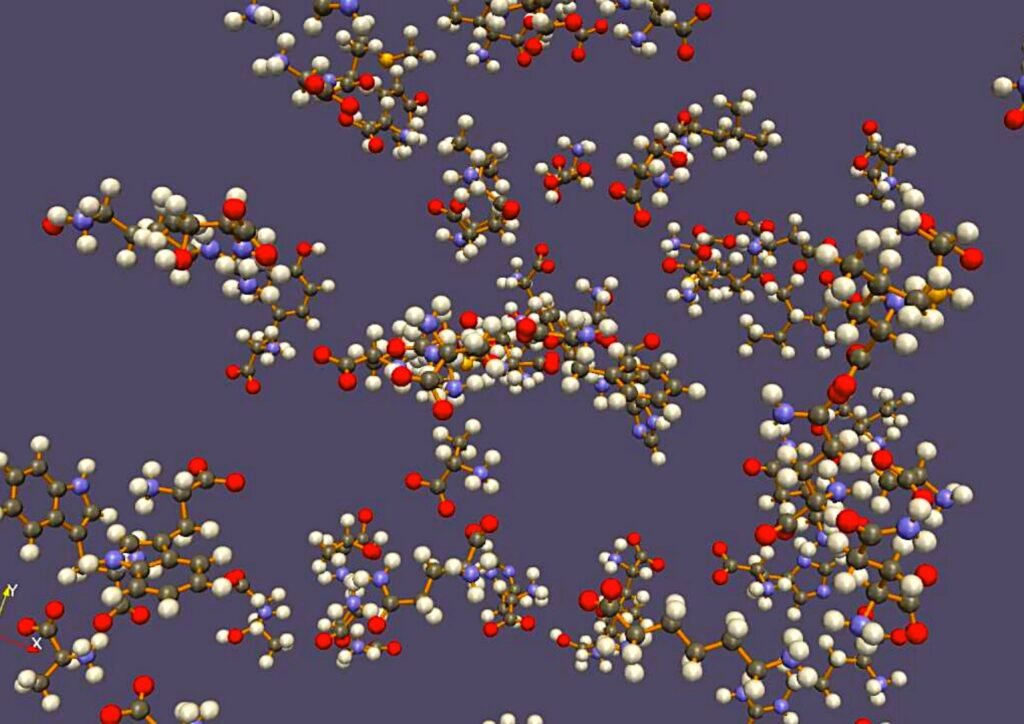
The amino acids that formed are known by the names adenine, guanine, uracil and cytosine. Yeah, the names we learnt in school! The RNA formation happened in huge numbers and lengths in the early period’s Earth’s history. A 100 million years after Earth took its final shape!. Each amino acid molecule was made up of 4 or 5 atoms of carbon, hydrogen, oxygen and nitrogen. The process could’ve used up other atoms like iron, aluminium, copper, etc. But it didn’t! Or couldn’t (?)
In time, there occurred an error in the replication process of the RNA. The uracil component modified got into a new molecule called thymine. This change was accompanied by the addition of another phosphate strand parallel to the previous strand. The new molecule formed then, was the most famous DNA or Deoxyribo Nucleic Acid molecule.

Alongside, the DNA and the RNA molecules were being enclosed by layers and layers of phospholipid membranes. They preserved their structural rigidity. This process led the formation of the earliest cells in the planet, called the protocells. The protocells in time transformed into prokaryotic cells. And in time, the prokaryotes fused with each other to form the eukaryotic cells. This process is named as endosymbiosis. These eukaryotic cells or the eukaryotes are the ones that gradually evolved into multicellular organisms, like ourselves.
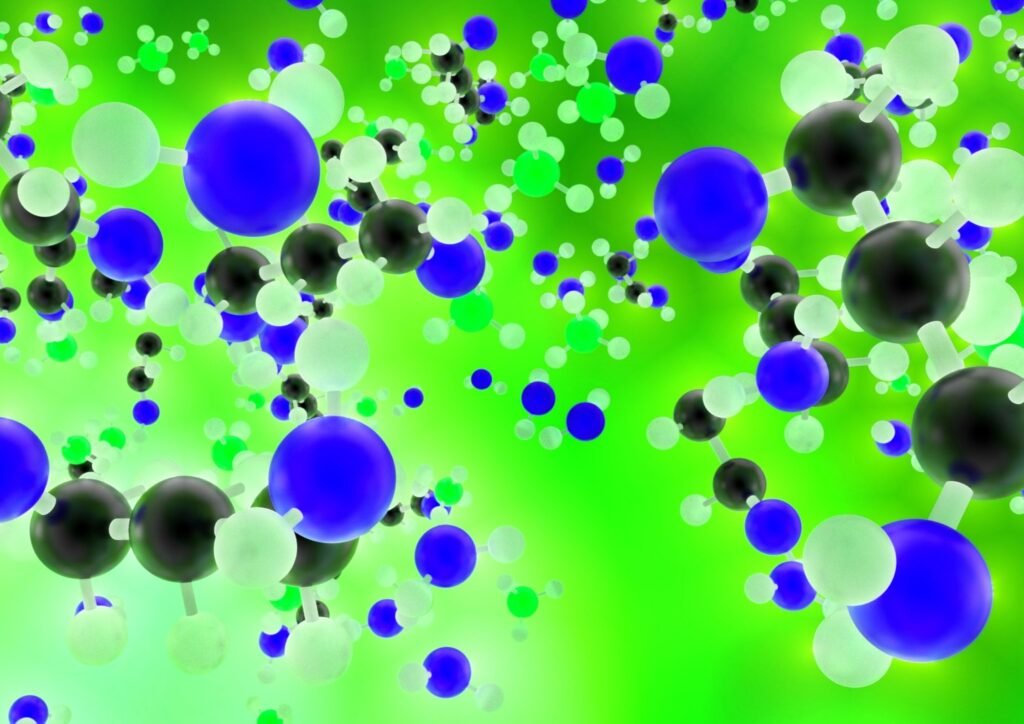
The evolution of cellular life on one side, where did the atoms and molecules involved in the above processes, come from? Carbon, hydrogen, nitrogen, oxygen, phosphorous, etc. are terms that were made familiar in our chemistry classes.
When did they come into reality’s picture? We are familiar with “the cells are the fundamental units of life” and “the atoms are the fundamental units of matter.” We have been taught that it is the atoms that make up even the cells themselves. The working of cells and atoms, being briefed up separately, it is quite complex to imagine them both in the same scenario. So, how and when did the atoms get formed in reality?
Atoms and Molecules
The birth of atoms can be sourced back to the earliest periods of time, around 13.5 billion years ago, shortly after the Big Bang event. This event is widely accepted as the source of evolution of the entire universe. The formation of atoms was not an easy process.
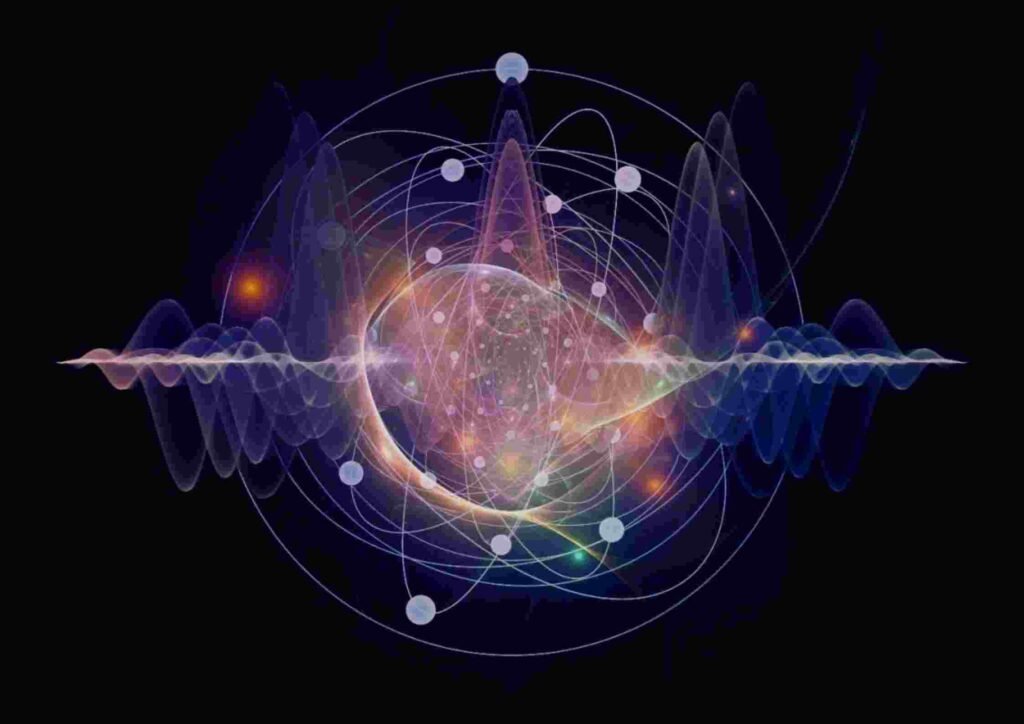
It involved a huge amount of energy to gain mass and form the subatomic particles. They then interacted with each other to form the atoms. The specialised field of quantum physics involves in the study of atoms and the particles that make up the atoms themselves.
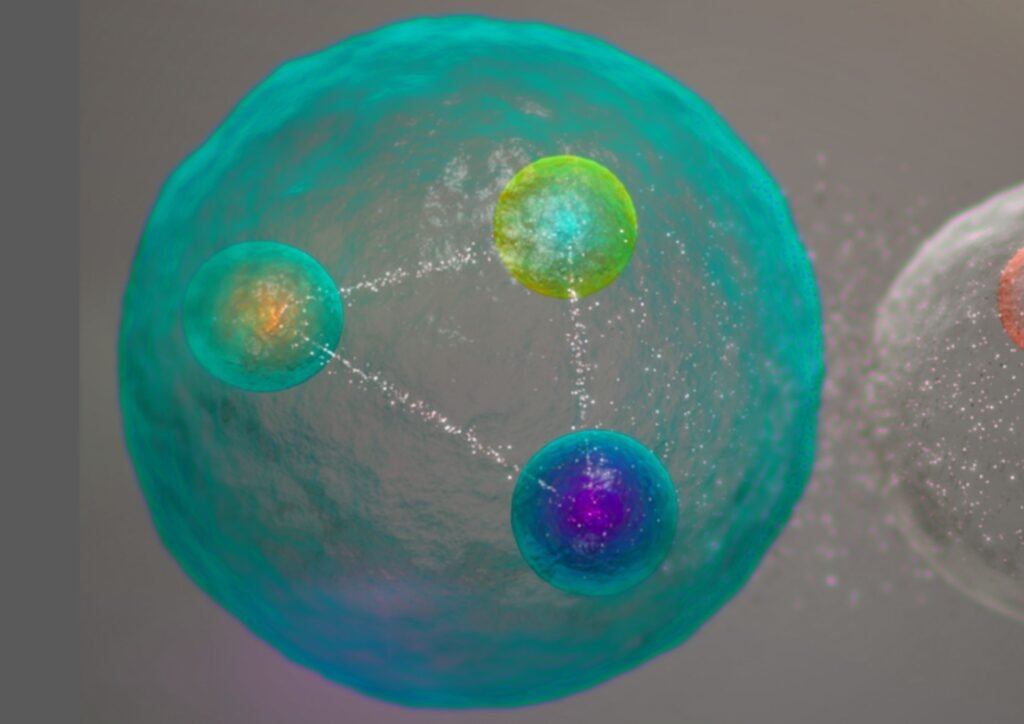
In the second half of the 20th century, it was discovered that the conventionally known subatomic particles like protons and neutrons are themselves made up of even smaller particles called quarks. And, there exists a whole range of particles under the classification of quarks (up, down, etc.), leptons (electrons, muons, etc.) and force carriers (photons, bosons, etc.) And yes, this is a refresher for your school memories!
These particles are collectively known to be fermions and bosons, and they got formed immediately after the Big Bang event. What is this Big Bang then? And why do we need to be concerned about it?