Matter, Antimatter and the Subatomic Universe
In the expanding, newly formed universe, the particles were in constant motion at very high speeds. The heat expelled out of the Big Bang kept pushing them randomly. It never let them to slow down.
What accompanied the particles in their early years of formation were their corresponding antiparticles, or antimatter as they are now known. The antimatter which we know through science fictions and movies are a set of particles that carry the exact opposite charge of their corresponding particles. A positron, the antiparticle equivalent of an electron, carries a positive charge.
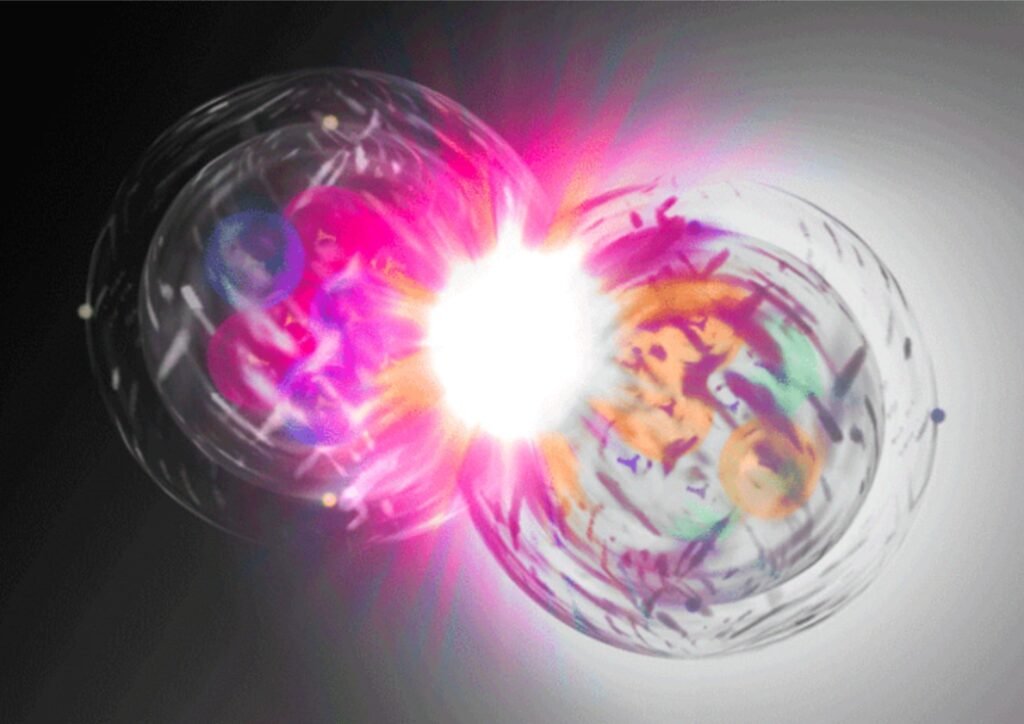
The normal course of events was for a set of particle and antiparticle to get formed out of energy, roam about in the newly formed universe, meet up and annihilate each other, converting back into energy. But, there occurred an imbalance in the matter formation process, where the number of antiparticles that formed was slightly lesser in number. For every 100 million antiparticles that came out, 100 million plus one particles were formed!
This slight imbalance of matter over antimatter led to the abundance of matter, which in the long run resulted in the universe we see now. We can imagine the volume of particles that survived to produce everything in the space right now. This process – prevalence of matter over antimatter – itself has been termed to be baryogenesis. Coming to think about it, if it wasn’t for this imbalance, we wouldn’t be sitting here thinking about the same!
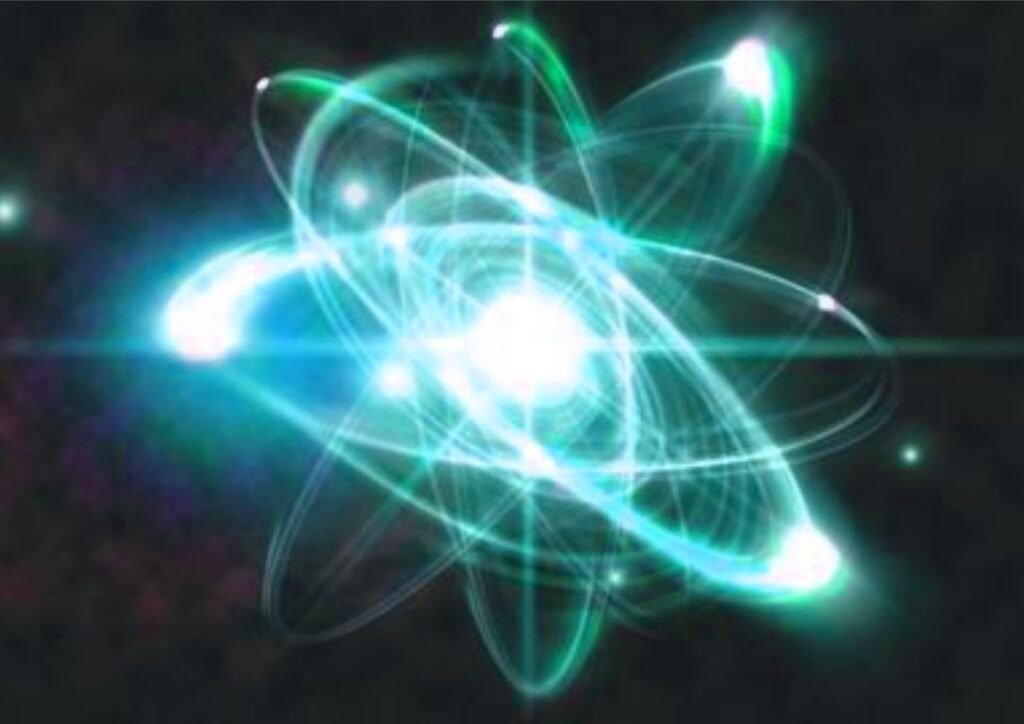
The particles (like quarks and electrons) that prevailed in the process slowed down eventually and started forming protons and neutrons. These protons and neutrons eventually combined to form the nuclei of the simplest atoms, hydrogen and helium. It took a lot more time for the electrons to merge with the nuclei to form their respective atoms. But it happened anyway, more than 300,000 years after the Big Bang! The hydrogen and helium atoms were thus the first formed atoms in the universe.
The Diversity of Atoms
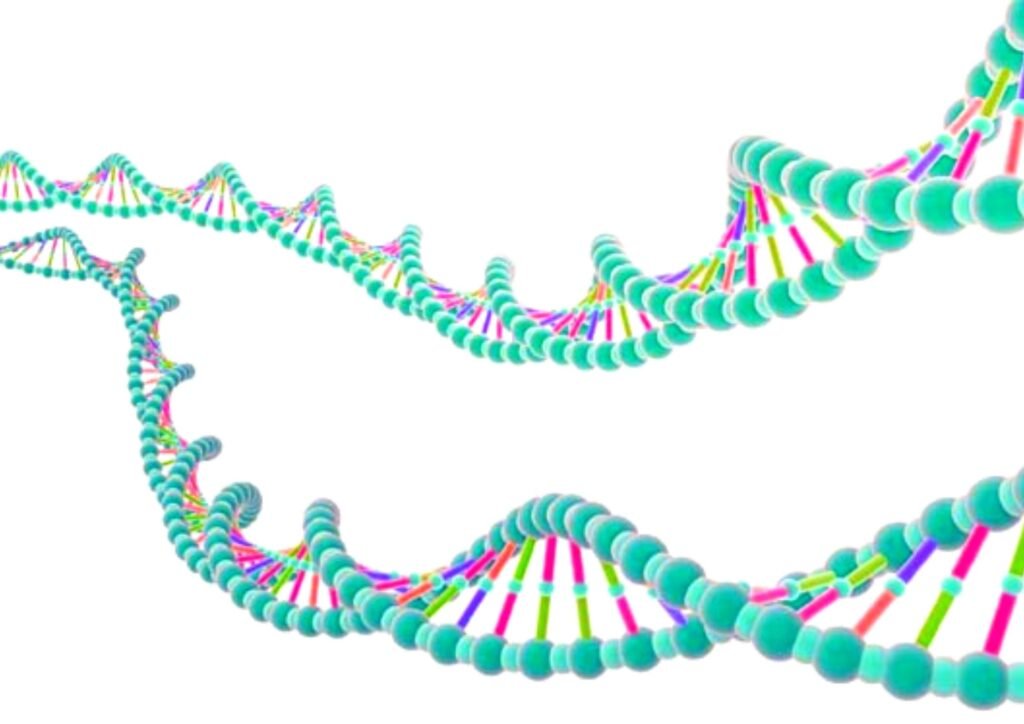
In our discussion about DNA and RNA, we saw the involvement of atoms other than hydrogen in the life-formation process. Atoms namely carbon, oxygen, nitrogen, and phosphorous. Aside from these atoms, the life forms we see alongside us use a lot more diverse set of materials (in the form of compounds) for their growth and survival. We humans, for example, use various compounds for our sustenance and we call them collectively as nutrients. Elements like iron, calcium, potassium, iodine, etc., are utilised by our bodies for metabolic activities.
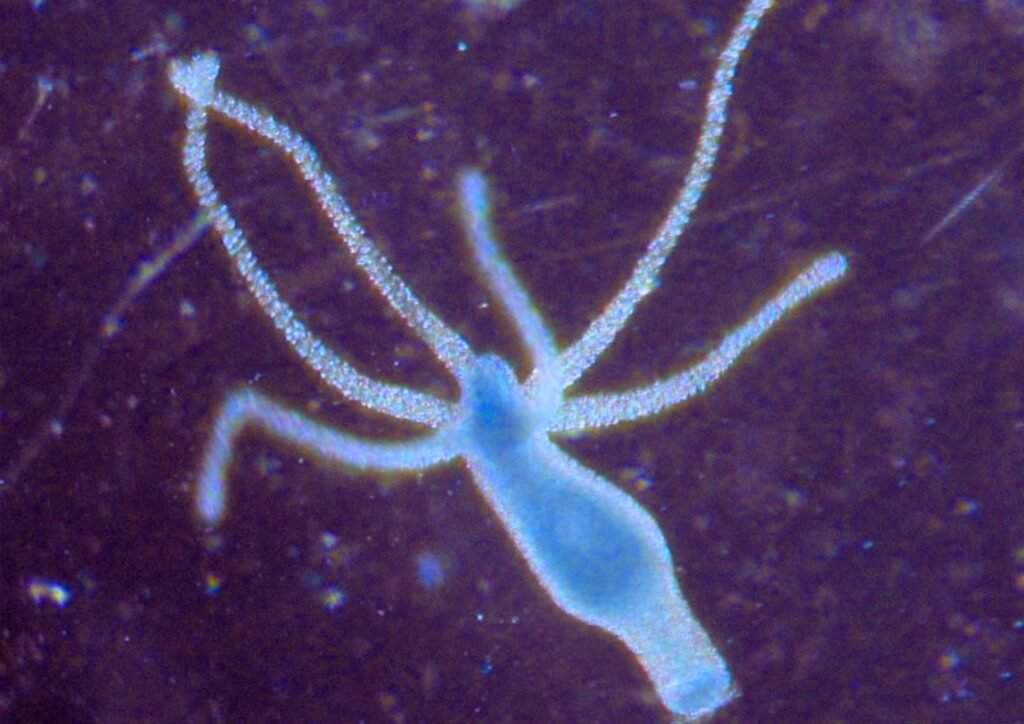
Some multicellular organisms, including ourselves, have evolved to use elements like calcium for bone and teeth, metals like copper and iron are used for the production of red blood cells, sodium for the functioning of the nerves, etc.
These and various other elements had formed in a very dynamic manner than that of the hydrogen and helium atoms, and we’ll see how in due time!