The Unified Soul
The single cell’s condition, however, doesn’t apply to multicellular life forms whose cells have merged to form a unified soul.
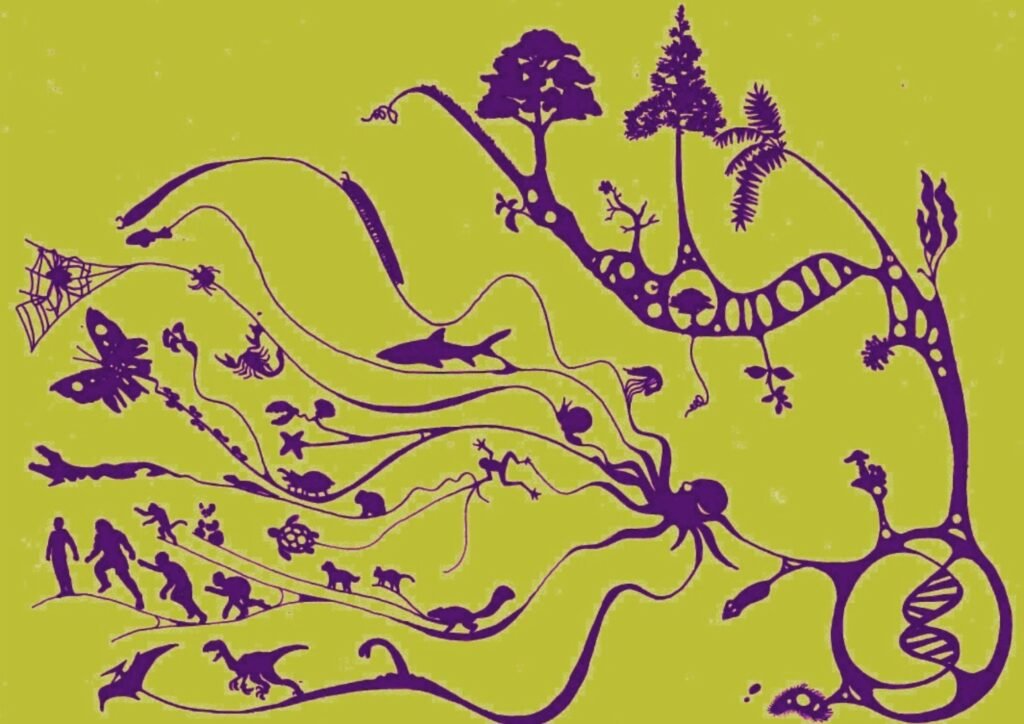
The multicellular life forms have large numbers of eukaryotic cells bound with each another. Each set of cells (tissues) perform a specific function for the organism’s survival. The different tissues, each performing energy transfers, contribute to a large energy field spread throughout the entire physical body. This large field forms the unified soul in multicellular organisms like us.
In such cases, the birth of offsprings doesn’t result in the extinguishment of the parents’ souls, but the continued existence of both the souls, since the physical body has evolved enough to replicate the DNA or RNA through mitosis and meiosis. The genomes are capable of growing an entire organism within the womb of the parent (mammals), or inside a protective shell produced by the parent (eggs).
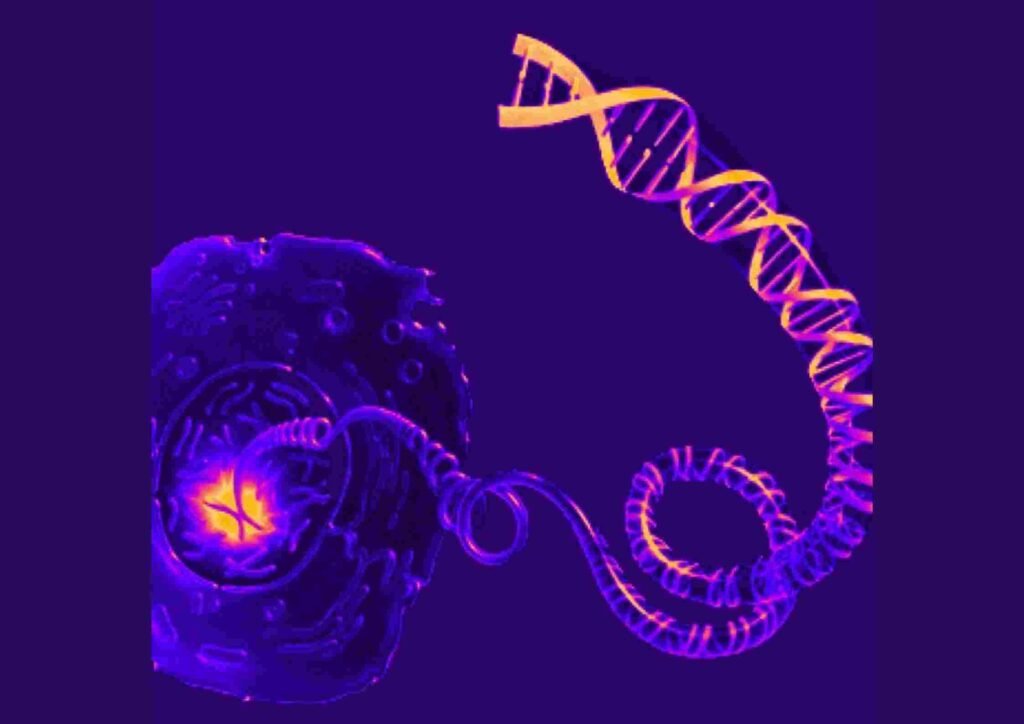
For the single-cellular organisms sharing same genetic materials, there are no large differences between the intensity and functioning of the souls, because they differ only by a minute level of change in their DNA or RNA (mutation). But for multicellular organisms, like us humans, the soul differs from person to person depending upon the genetic make-up and the effects the genes have on a person’s everyday life. This difference in the soul’s intensity is felt by the factor called consciousness and its effects like thoughts and emotions. We’ll see how they work, in the next chapter.
Conscious Energy?

Consciousness in single-cellular organisms shouldn’t be taken as our present understanding of consciousness. In the primitive life form, consciousness helped in the system’s functioning (physical body) as a whole and more importantly, the awareness about the organism’s exclusion from its surroundings.
The energy’s causative function acts through the matter in the physical body as the fluctuating soul and gave rise to consciousness. So, as the yogis say, life, it seems, was not created by a conscious entity, but was a result of one of the functions of the primordial energy. Indeed, the Yogic and Siddha philosophers never attributed any consciousness to the primordial energy. The primordial energy and its inherent properties were responsible for the creation of the universe and life and nothing else!
The spiritual philosophers discovered the process of evolution in living beings, through the multicellular organisms. The term ‘single-cellular life’ was unknown to the philosophers and it was formed as a concept by the retrospective analysis of the human soul and other living beings, over time. It was supposed that a primitive living being must’ve been the starting point for all types of life forms seen in the present.
The single-cellular life form which first evolved began to reproduce and eventually evolved into multicellular life forms by adapting to the environment around it. It was said the adaptation of an organism to its changing environment was due to the conscious evolution of life. But, we now know that it was the energy’s inherent property of causation that led to adaptation and evolution. The multicellular life as described by spirituality wasn’t just based on the evolution of the physical body, but the soul or astral body too!
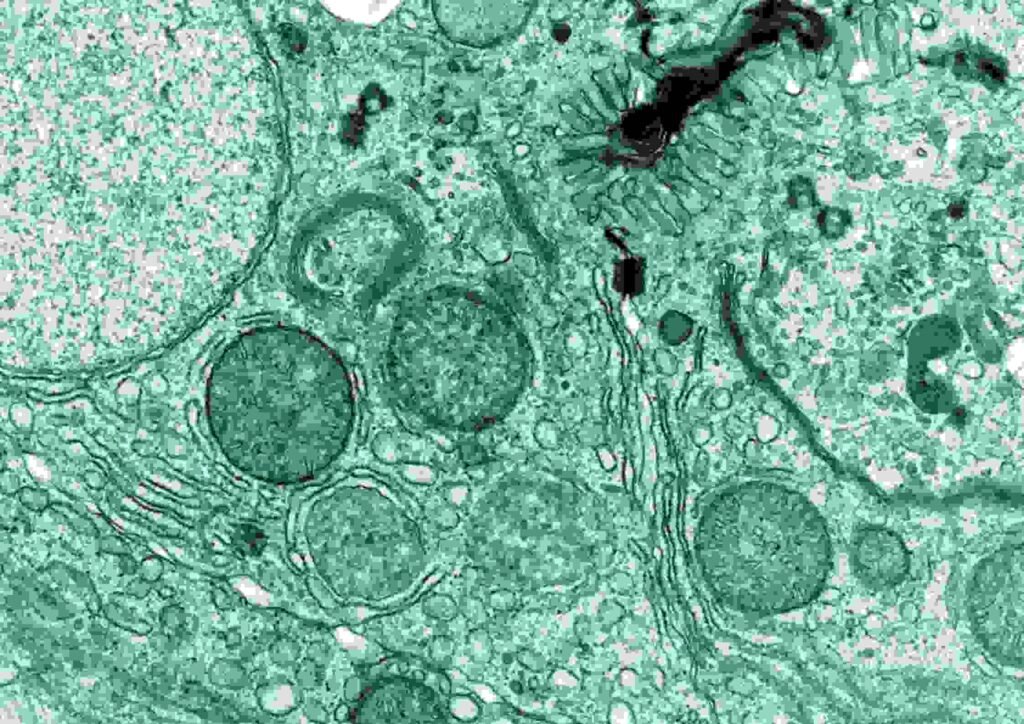
So far, the single-cellular life only had a primitive soul which just needed to conserve its energy and survive. But with multicellular life, the organism’s functions got diversified. The change in the biological systems of the organisms led to the development of different organs and organelles, and this consequently changed the soul by the growth of senses.
Now, the evolution of the soul or astral body can be understood with the evolution of “senses” and “consciousness”, the process which is synchronous to the evolution of the physical body in multicellular life forms.