With thoughts and emotions in our understanding from our stories so far, let’s now think about an equally important mental phenomenon, dreams.
Dreams are understood as the images projected on the subconscious part of our minds when we are sound asleep. How does a coherent stream of images rise from the mind when we are unconscious?
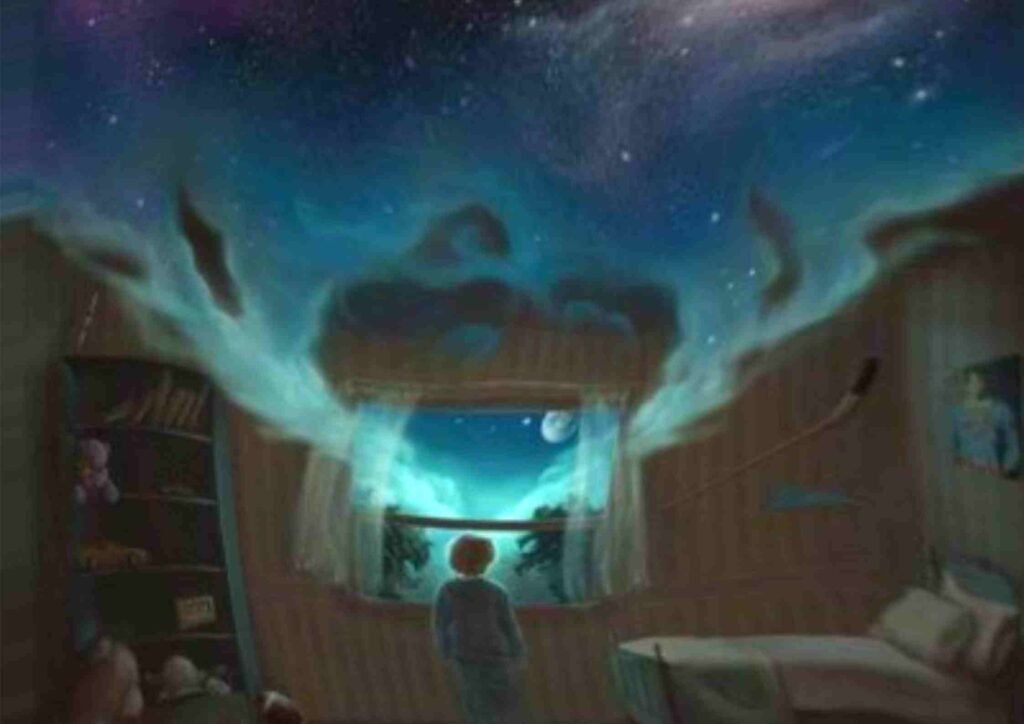
With both the conscious and subconscious parts making our minds, the conscious side is turned off while we sleep, but the subconscious remains relatively awake! The thoughts (about both pasts and futures), instincts and emotions that our minds experienced so far (having been stored in our brains) are made fully available to the subconscious during sleep.
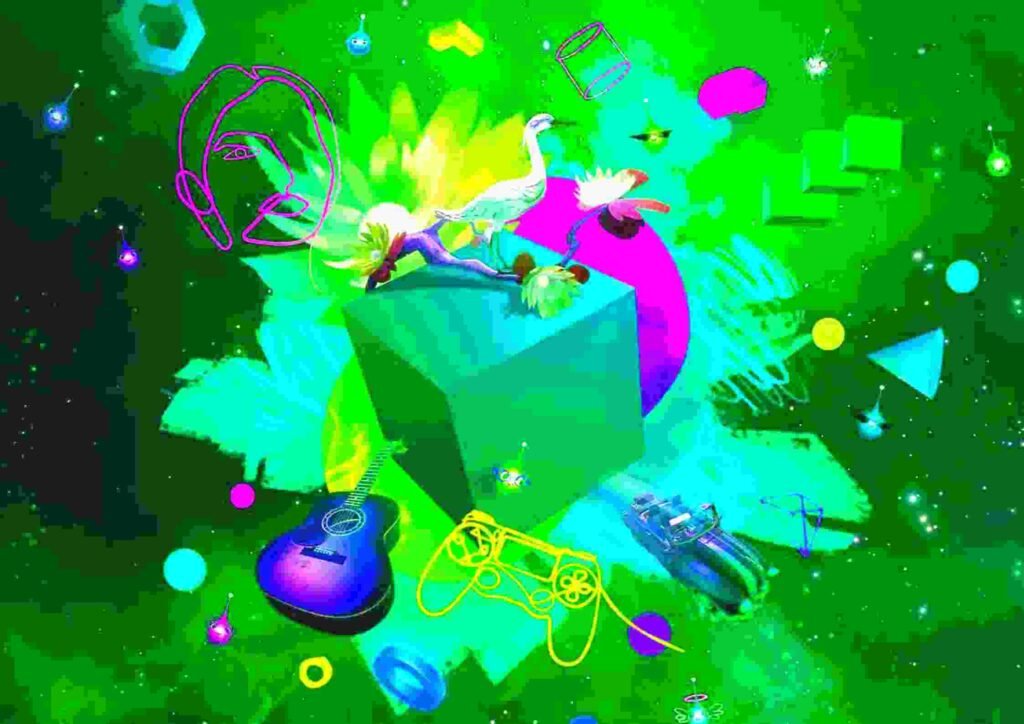
The subconscious randomly merges these impulses and thoughts to form a chain of images that appear to be dreams. This explains why a dream’s present is understood and not its past or even the future (we don’t understand how dreams begin or how they end!). With the conscious part being turned off, questioning the stream of thoughts as to why they came about becomes impossible.
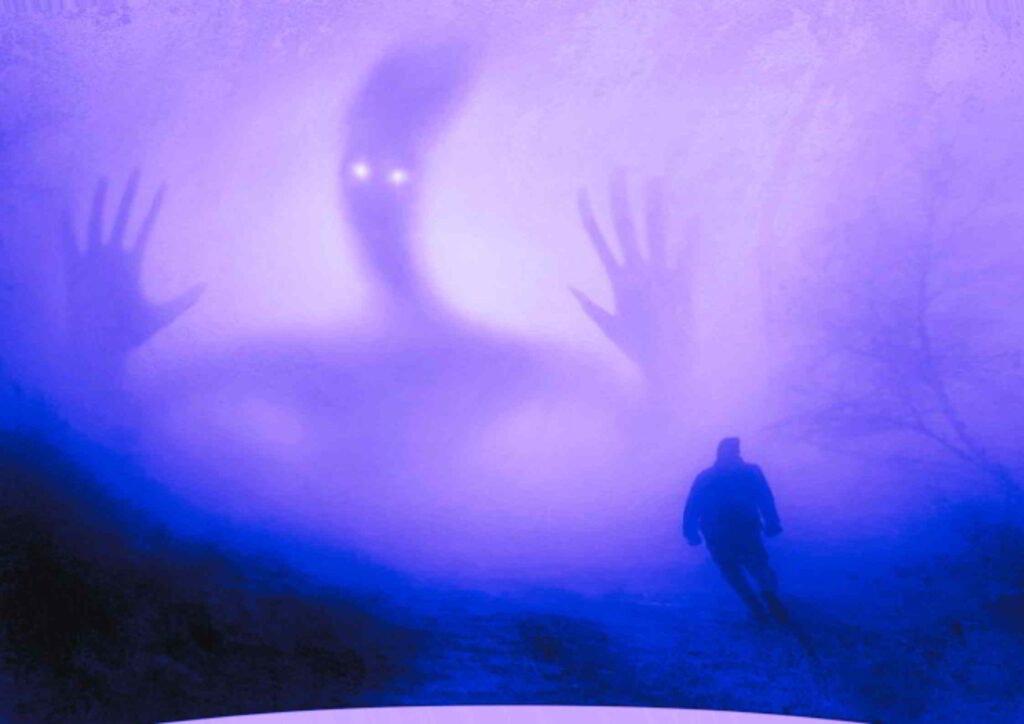
When the streams of thoughts are made to mix up with emotions, the results are interesting. If our mind experienced a pleasant day before sleep, a sense of serenity is added to our dreams and the subconscious experiences a pleasant stream of thoughts or even a fantasy appears as the dream, but if the mind went through trauma or stress before sleep, the result is a nightmare!
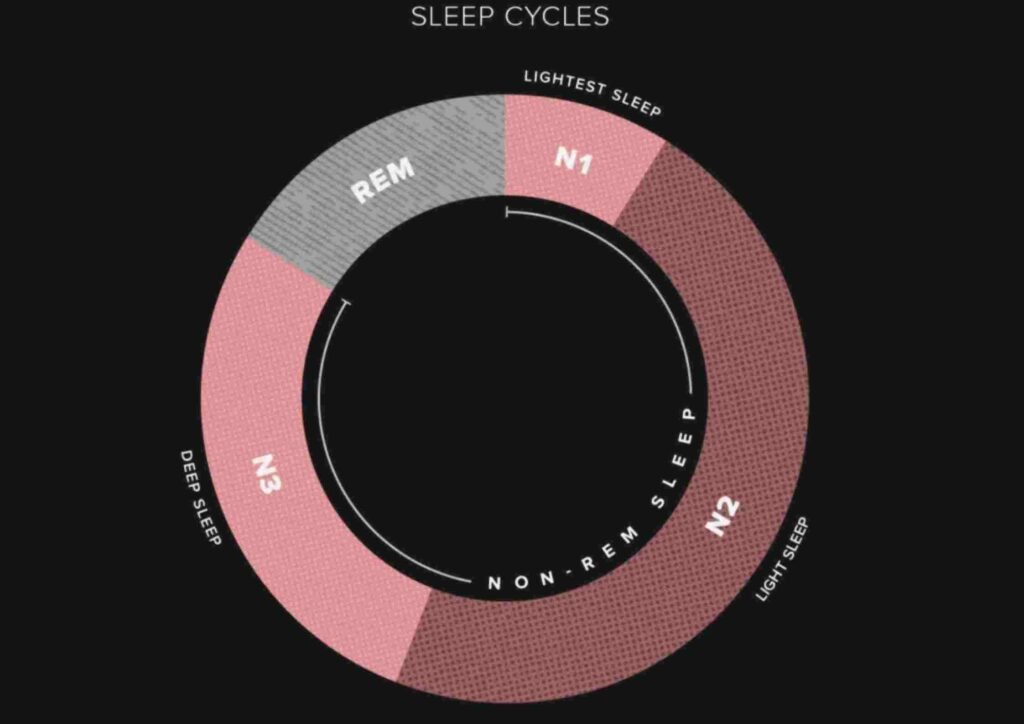
The major period in which the dreams surface is during the Rapid Eye Movement Sleep (REM) when the brain activity – in terms of the impulses generated – are comparatively lower than when we are awake, but higher than during the deep-sleep phase. The deep-sleep phase, which is one of the phases of the Non-Rapid Eye Movement (NREM) sleep, is where the occurrence of dreams remains zero. And it is this dreamless state we’ll be accessing consciously in later chapters!
Causality of the Mind
To sum up, the soul evolved to produce the senses. Each sense contributed to the development of the consciousness, and the evolution of the sixth sense gave totality to the concept of mind.
All the senses are collectively used for the observation of reality. Observations result in instincts, thoughts and emotions. Thoughts result in desires, desires enable actions, actions become habits, habits become customs, customs result in cultures, and all of them have their base in the mind, which is the result of the energy (soul).

All living beings, acting on either instincts or habits, form part of a chain of events. Every single second, an event either begins or is underway or ends. The event may be as beautiful as a new life coming into reality or as devastating as a painful death. All these processes we observe appear giving rise to a chaotic reality.
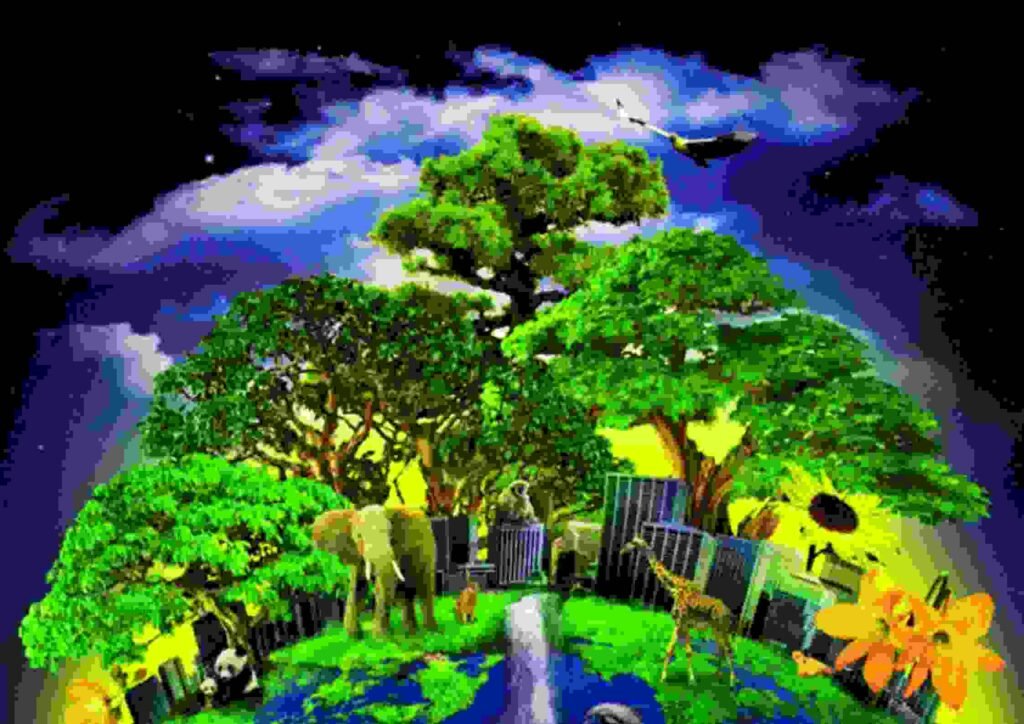
But is reality really so chaotic? Or is there a particular order in it? Trillions and trillions of life forms living on a single planet, each racing against time to survive, to search for the purpose of their very existence, finally end up dying! The brief period of time every life form experiences in reality is intricately connected with all the other life forms living alongside it, and we know this process to be ‘dependency.’
So far, the dependence of organisms on others was thought to be only at the physical level of existence. How much are the living beings connected at the soul or energy level? Are our consciousnesses completely devoid of interference from other consciousnesses? If not, how are we connected, then?