Each of the individuals involved in the previous situation has a unique cause and a unique effect on the event. And by individuals, we don’t just mean the people, but the animals too! We must remember, each of them has a unique past, present and future. The number of possible futures for each of the individuals being numerous (!), we’ll take one possible future and past for our discussion.
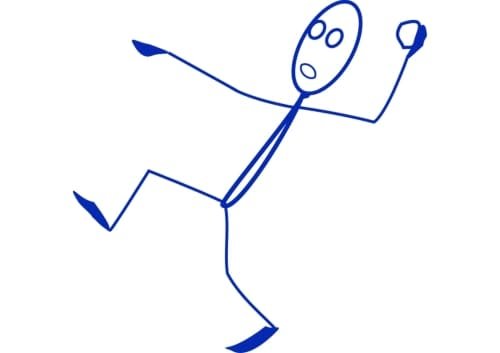
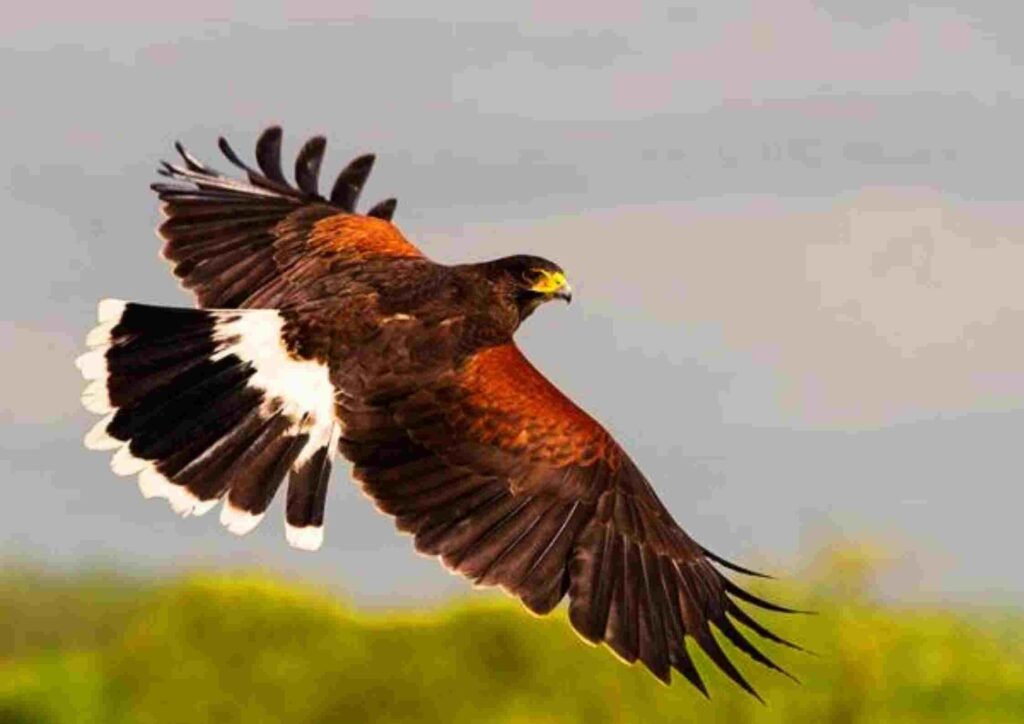
First, the man who threw the stone (whose habit had started the incident), threw it unintentionally. His exercise was neither to harm nor to benefit anyone either in the present or the future. The snake, the squirrel and the hawk whose actions were based on their instincts to hunt for food (snake and the hawk) and to escape from predators (squirrel), had no conscious part in the incident, since we know their minds work in the subconscious level only.
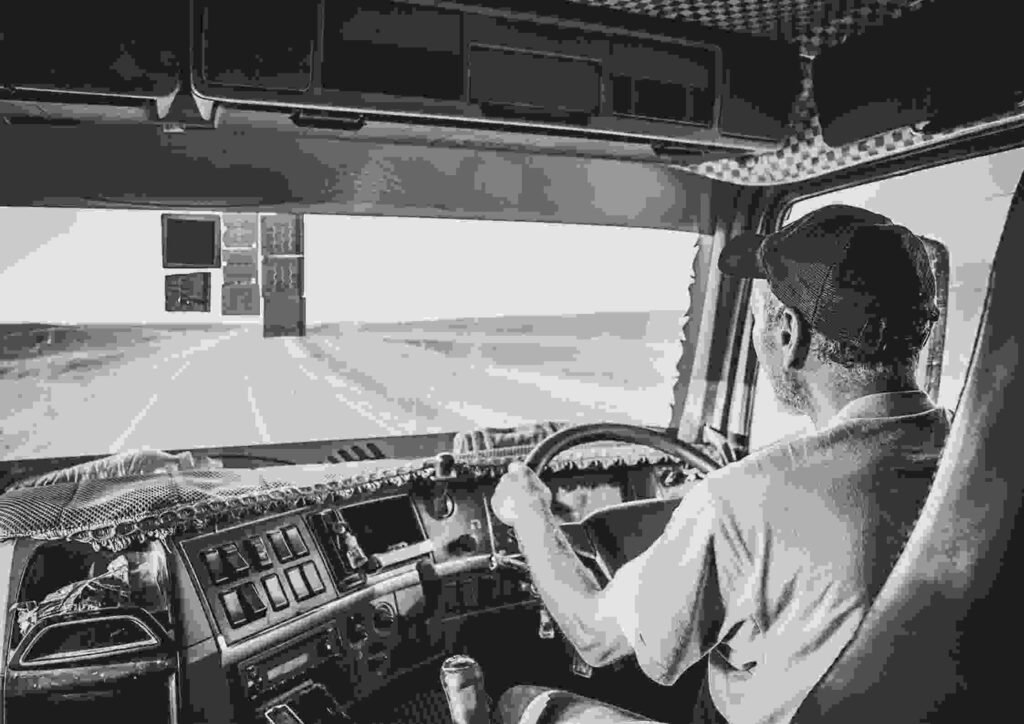
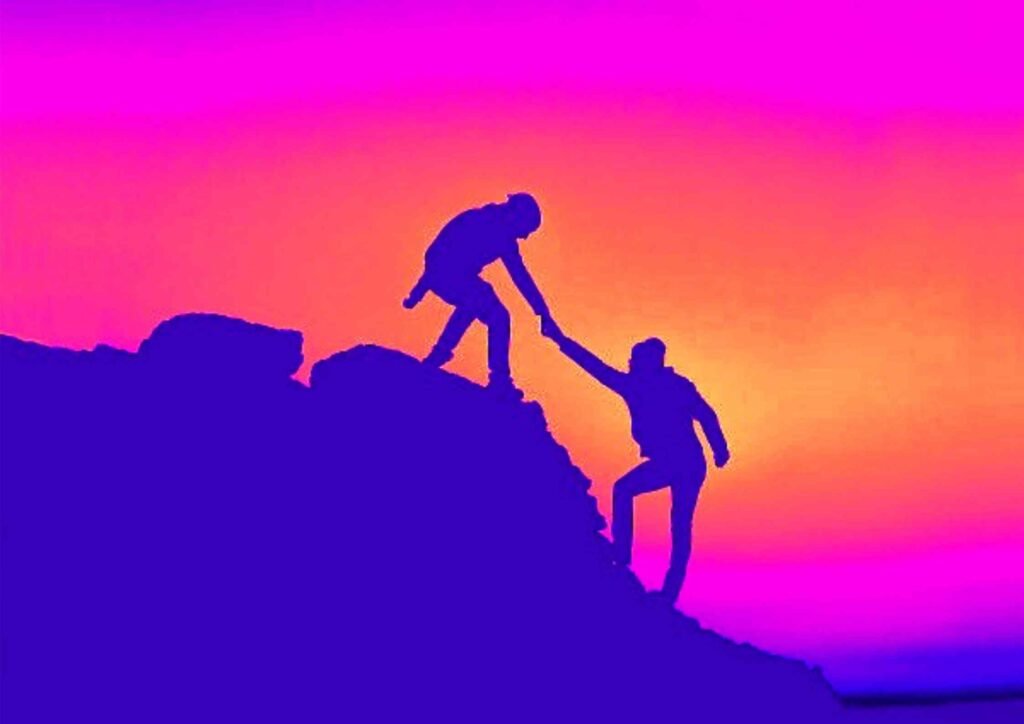
The truck driver, having reacted suddenly, his actions were the immediate cause of the accident. The car driver who died had sped up alongside the truck, unaware of the consequences of his actions. The man from the opposing car stopped by and immediately walked up to provide whatsoever help he can offer. Now, our sense of judgement immediately points to the truck driver as the cause of the accident (and the guy’s death). But actually, the causes and effects of the situation are much complex and even strange.
What we usually ignore are the other factors involved in the situation, like the stone thrower and the animals. And much more ignored are the causes for each actor to have been present in the situation in the first place, the reasons for their presence and the effects the situation has on their lives from then on.
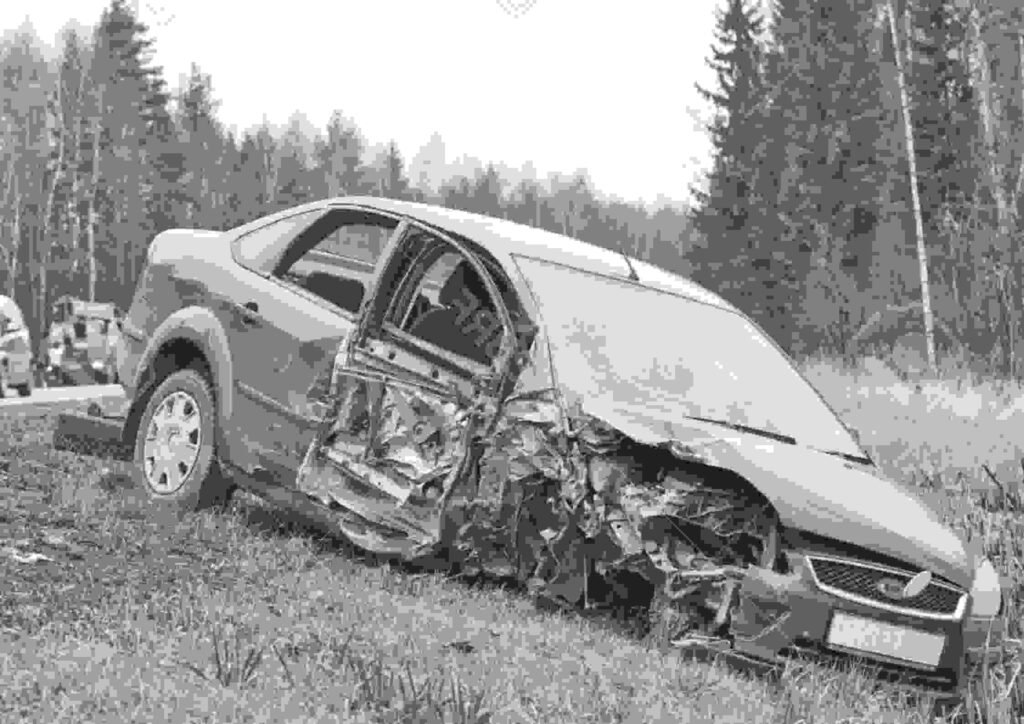
The man who threw the stone had caused a disturbance for the snake, which ultimately led to the accident. The chance that he knows about his disturbing action is very low. All he knows now is that an accident took place. His action, being small and unintentional, has a minor part in the car driver’s death. If the total contribution to the cause (death) by the various actors is taken as hundred percent, the stone-throwing man’s share of the cause amounts to 15 percent.
The truck driver whose actions were unintentional, too, has his emotional status altered (let alone his future!) He hit the car by accident and caused the car driver’s death, so his share to the cause amounts to 35 percent. The animals involved are completely unaware of the cause and effect relationship in the situation. But they also played a minor part in it.
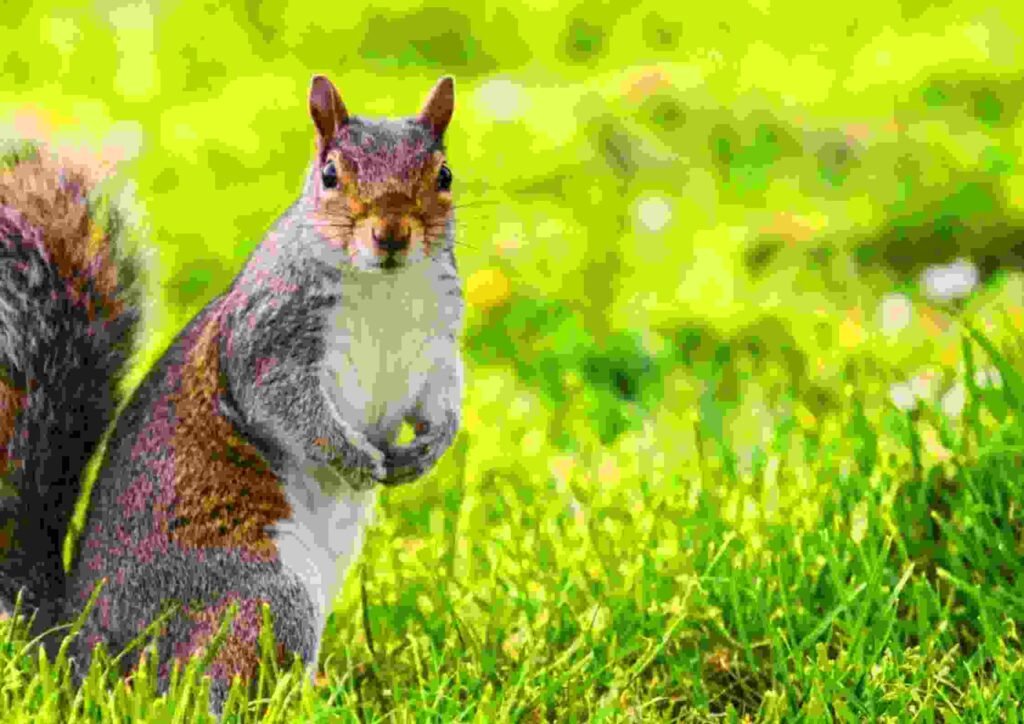
The loss of the car driver’s life (being a relatively major incident), the animals collectively contribute 15 percent to the cause, since they too participated unintentionally. The car driver who had died didn’t expect the consequences had sped up even though he knew the risks were too high, so he gets a 35 percent share in the cause.
Inside the thirty-five percent cause of the truck driver and the car driver lies each of their emotions, intentions and expectations. The car driver’s death being the effect and the cause, contributed by all the actors in the situation, a seemingly chaotic situation has arisen. What happens to the actors in each of their futures is what is described as karma (sometimes, it is the karma that causes the events!). Since we can’t think of all the possible futures for our lives or of any other life forms, we’ll try understanding just one of the possible futures of each of the above actors.
The stone thrower, who contributed 15 percent to the cause, might face a similar situation like the car driver, in his near or far future. If he was to drive his car along a road someday, the chances for a distraction like an attractive signboard or a goat or a cow to cross the road and give him a shock, becomes high. Such incidents may not cost his life, but the chance for a distractive event that might cause an accident finds its place in his future.
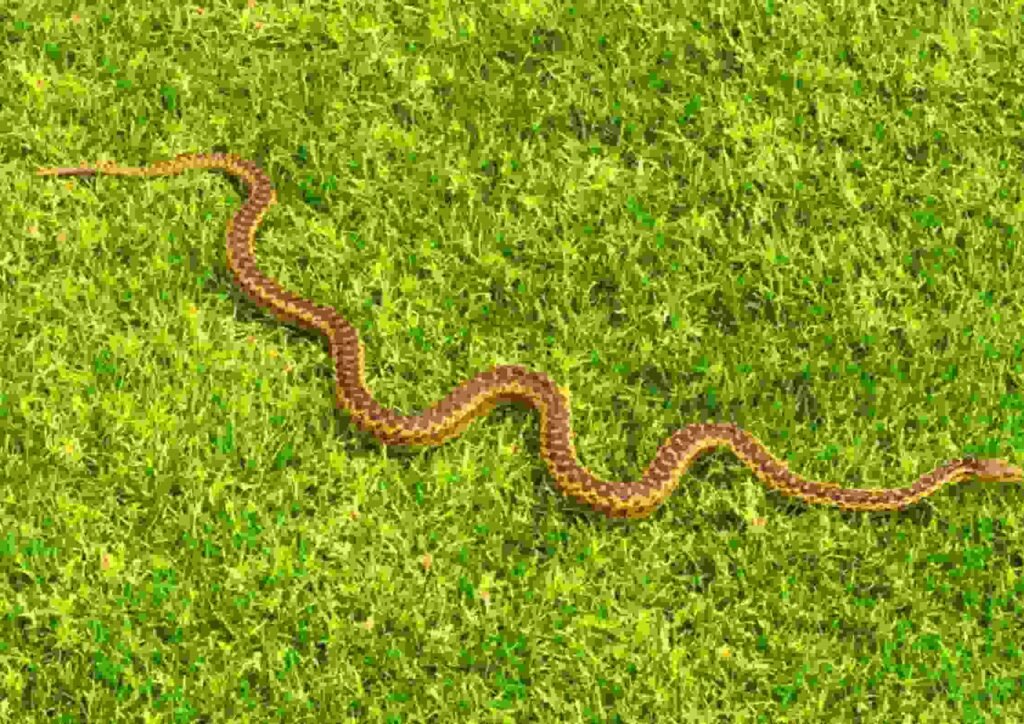
The squirrel, the hawk and the snake, whose unintentional involvement in the cause, may affect their future chances of survival while they are in a similar hunting exercise. The squirrel may not be lucky the next time it comes out, and the hawk might get hit by a truck the next time it dives to catch a prey. But for the snake, the next time it goes out stalking, a stone may hit the snake’s target instead of the snake itself and make its job easier at least for once (since the stone had hit the snake and disrupted its natural course of actions!).
The truck driver, in his future, while overtaking another truck, has an increased chance of being hit by another truck, whose driver may react to some other distraction, leading to his death.
The car driver, who had died, whose part of the cause, however, may get passed on to his son, who might someday be the distraction for a driver and thereby cause an accident, leading to the death of some other man. This might sound strange and untrue, but the larger scheme of events has the above possibility written within it.
There are indeed so many suppositions involved in understanding the predicament of the actors. Here, the accident, when considered as the cause, may result in the above possible effects. If the accident is the effect, the causes may be much more complex and out of reach of our understanding, since the reasons that led the actors to be present in that situation are too complicated to be thought of.
Now, the above case is just an example of how karma works. We must remember that we expect the events happening in our lives to be completely under our control, but it seldom is.