In our daily lives, we face situations where we act from our thoughts arising out of our past experiences. These thoughts are usually coupled with emotions.

How many times in a day we lose control and hurt people around us by both words and physical harm, but when we become the victim in a similar situation we plead for fairness (to God, of course!). In such situations where we get hurt, chances that we had committed the same offence in our past, remains high.
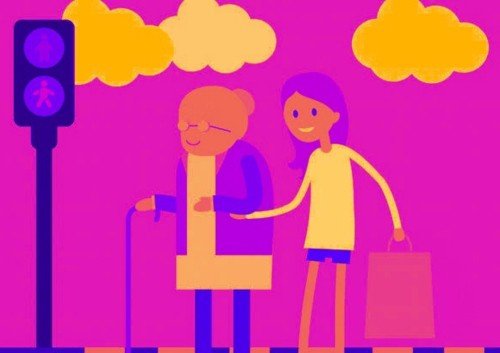
In the same way, if we get in a new situation where we had not committed any offence, like getting beaten up by a drunkard, the chances that we might someday become a drunkard and beat up an innocent man becomes high! This might sound funny, fictitious and comical, but the working of karma is very precise, orderly and balanced. A good action results in good karma and will get back in our lives at a later point of time; consequently, a bad action will result in bad karma only to hunt us down sooner or later!
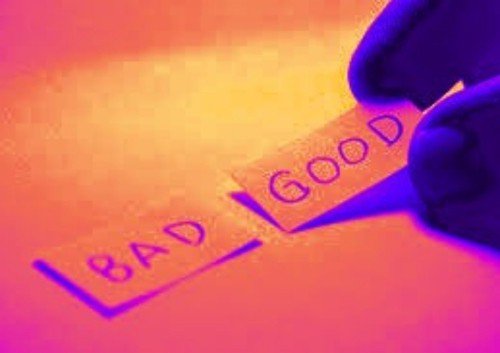
This gets us to the question, what differentiates a ‘good’ action from a ‘bad’ one? When everything in reality is relative, how do we define good and bad? A good action or thought for one person might seem bad for another, and this depends upon our individual perspective. We had seen earlier that karma’s not just confined to actions, but thoughts too.
Thoughts get out from our minds through actions. In such a case, where do good thoughts and bad thoughts find a difference? And so, we must understand the one basic rule of the relative reality we live in, the difference between the good and the bad.
The Good and the Bad
The difference between good and bad comes from the simple fact of how much harm or benefit a soul goes through when it lives a situation. If a thought or an action causes harm to us or the others, that thought and/or action is said to be bad.
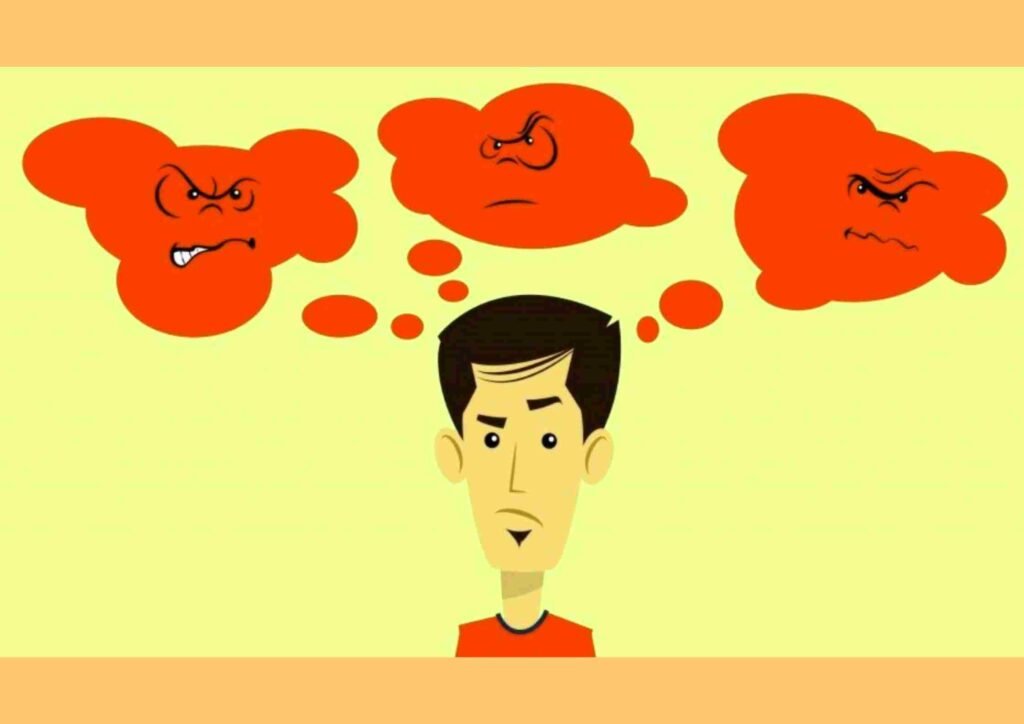
In the same way, when a thought or an action is benefitting, or at least doesn’t cause any harm to us or the others, that thought and/or action is deemed good. When we think of thoughts that damage our psyche or angrily curse someone else, the situation is set for bad karma to rise. When we swear at someone, and the person is harmed psychologically, the chance that we might be in their position in our future (with someone else swearing at us) increases.
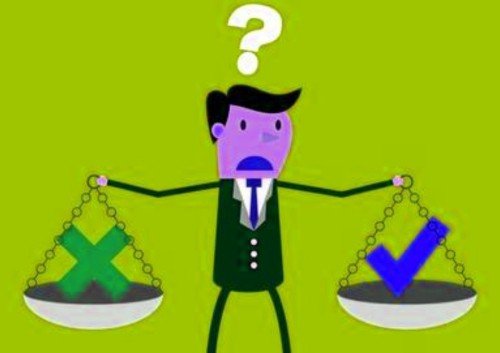
The same goes for actions like we saw in our story. When thoughts are channelled for creating an atmosphere of goodness (both inside our minds and outside us), the good is reflected upon by others. In short, the intention of an actor matters in any situation.This difference between good and bad isn’t the same as the difference between right and wrong!

The meanings of right and wrong depend on the morality of a person. And morality, in turn, depends on our perspectives, knowledge and experience! We can spend our entire lives thinking someone’s wrong, but actually, they might not be (at least from their perspective)! So, being right and being wrong depends on our characters, and they are never constant. The good and bad, however, are constant from karma’s perspective.
But then again, there’s just a fine line between right and wrong and good and bad. Being morally right doesn’t mean we are good and being morally wrong doesn’t always mean we are bad!