A man travelling in a car along a two-lane road finds himself behind a heavy truck.
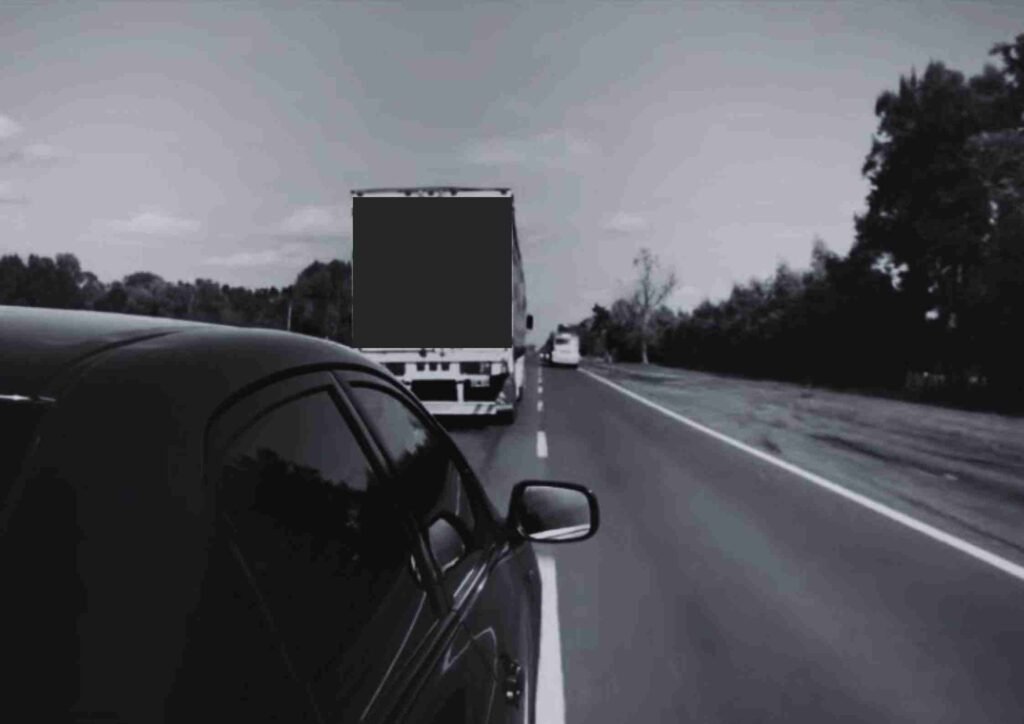
He tries overtaking the truck through the side lane and halfway through. He sees a vehicle speeding towards him from the opposite direction. His immediate instinct is to slow down, and he does so to prevent an accident. This sudden instinct is usually associated with reflex actions. Such instincts and the actions that follow are recorded by the subconscious and stored as memories in the brain.
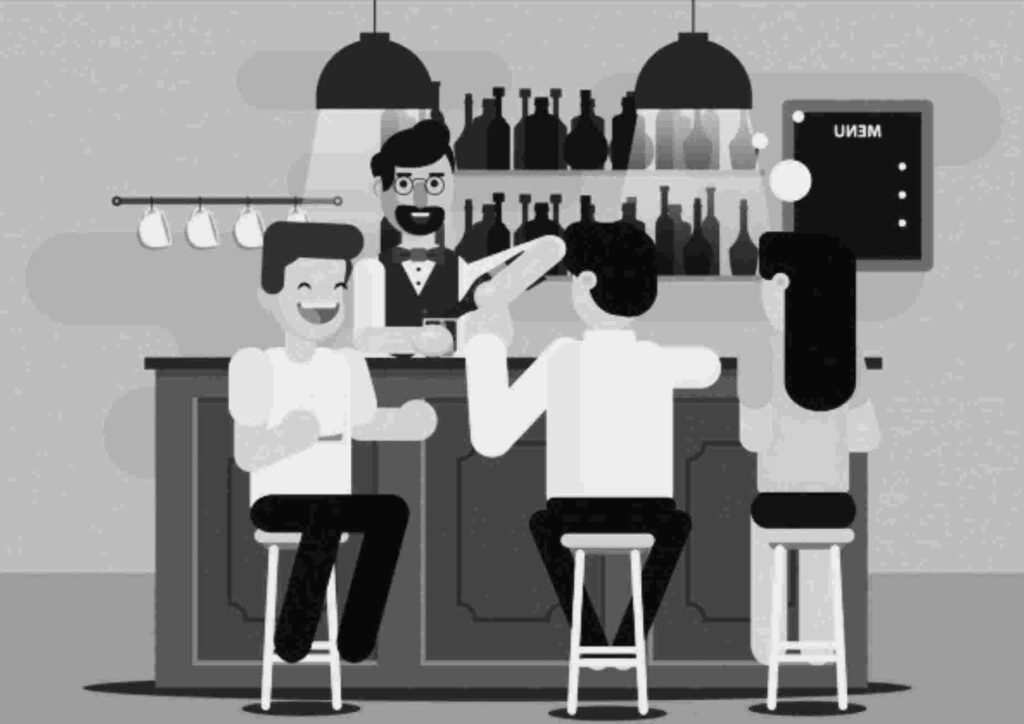
The recorded event forms the base for thoughts and future possibilities of the event and also for comparison with similar events. Our man then proceeds to share his driving experience with his friends, who then share their own experiences with him. Now he imagines his friends’ stories and new images are formed in his mind. These images are thought of as past experiences, and he compares them with his own. The images from his memories aid him to form his friends’ stories in his mind.
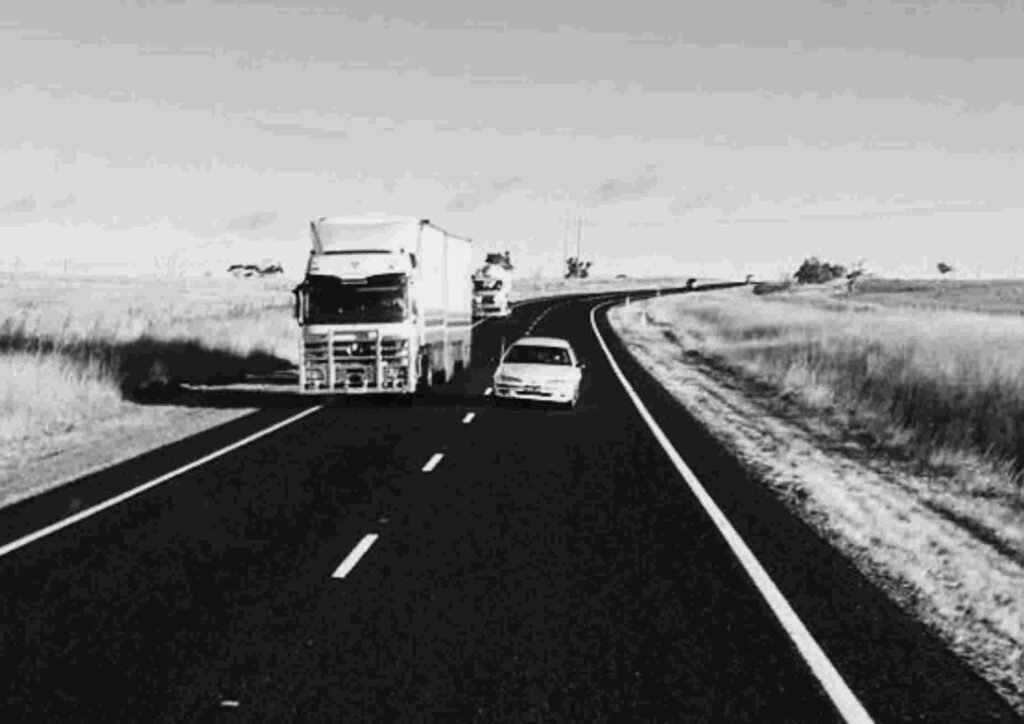
His mind starts simulating the same event with other possible options he had back then, that is, he questions himself as to why he slowed down. He could’ve speeded up and overtaken the truck before the other vehicle crossed them both (or) he would be glad all through the day that he missed death by chance (or) he would be wondering about the chances of such incidences in the future and how to avoid them. These apprehensions emerge because of his mind’s ability to think about in all the 3 times, the past, the present and the future.
Where do emotions fit into these? Fear surfaces when the man notices the speeding vehicle. At that moment, the fear would be the question of his life. When he slows down and escapes the accident, he finds joy. In another situation, if he had sped up and overtaken the truck, a rush of adrenaline would’ve resulted in stress, anticipation, vigilance and a sense of overwhelming joy.
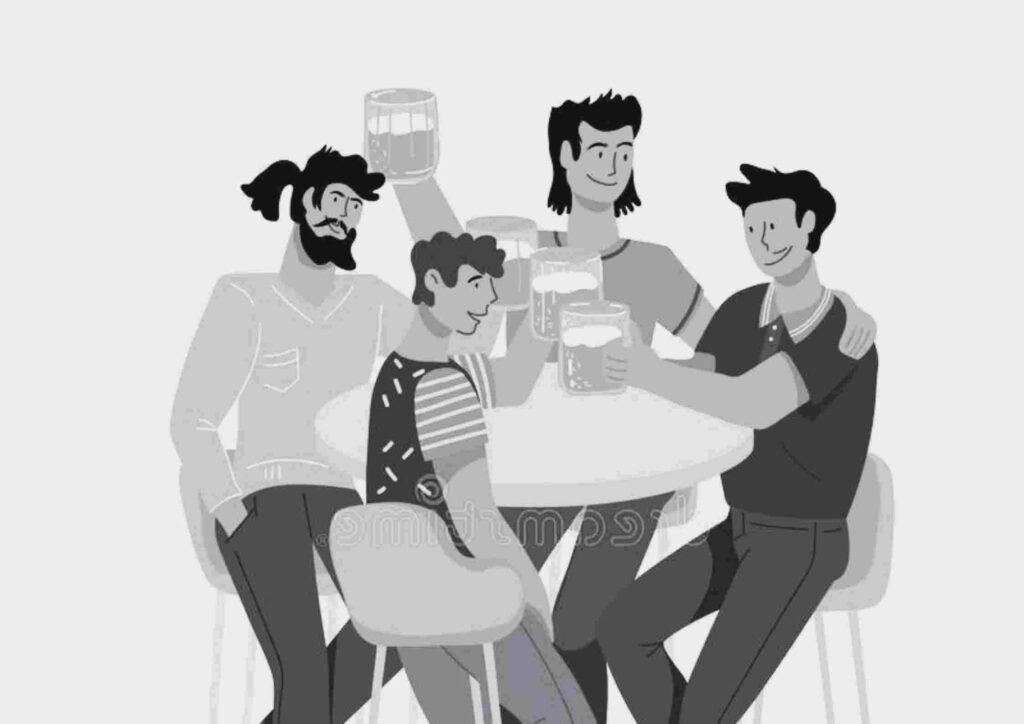
When he describes his experience to his friends, he finds interest, and his friends find amazement or boredom. When he senses boredom in his friends, he gets disappointed to some degrees. Among his friends, if there’s a person with a sense of adventure, there comes admiration or loathing towards our guy.
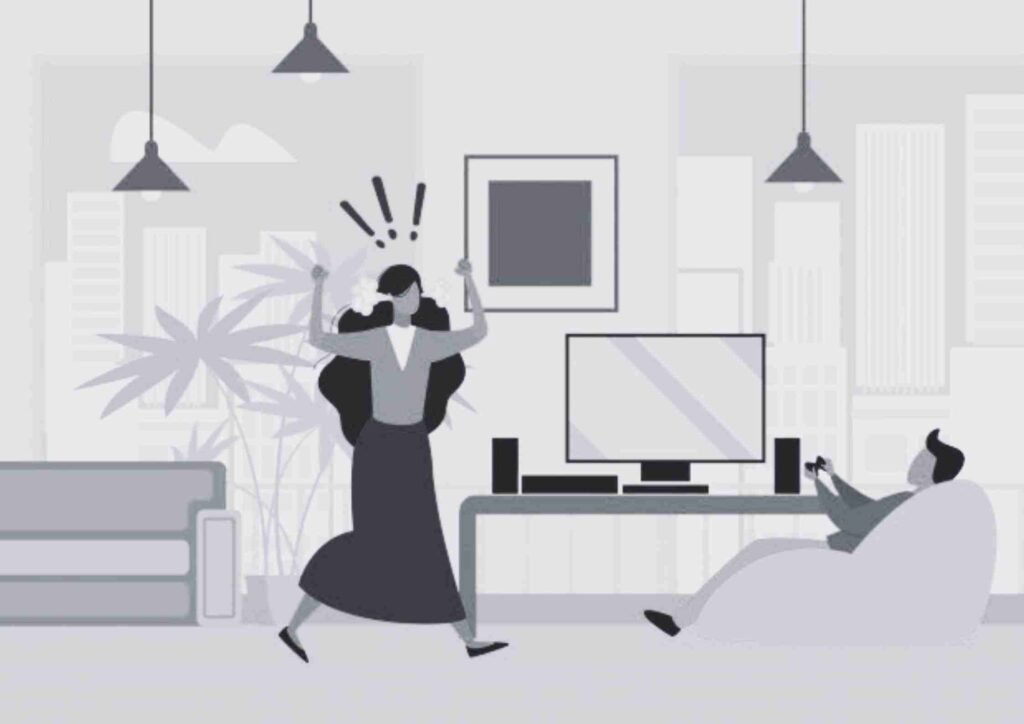
Now, for a change, our guy overtakes the truck and describes the experience to his wife(!), who is instantly worried to some extent and angered to a large degree for her husband’s idiocy. Behind his wife’s anger lies the most powerful emotion of all – love. If the wife was in an insecure state of mind, her anger is escalated to rage. In all these possible situations, the reactions of our guy’s friends and his wife result in a varied set of emotions in all their minds.
So, a range of emotions surfaces in the mind over the same situation or a different experience. All of them depend on the person experiencing the situation and the people he/she interacts with. The emotions are not alone too; they usually come in groups. In our case, the man’s wife is angered by his actions and there comes fear for her husband’s life. This fear comes because she loves him.
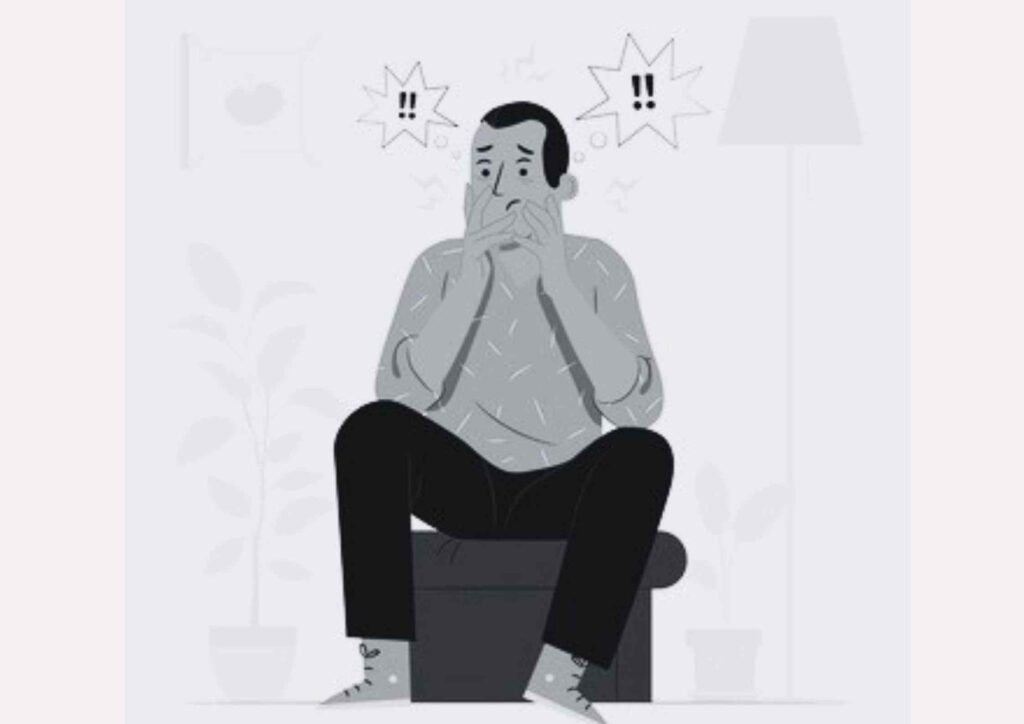
All the emotions she feels now, act on her mind at the same time! The emotions take control of the mind in a very short time, and we attribute the reason to panic. If we observe slowly, it appears that the moment panic grips her mind, she’s filled with various thoughts about the same situation, ‘he could’ve met with an accident,’ ‘he could’ve crashed and have been bedridden in a hospital,’ ‘he could’ve died,’ ‘what would our children and I do if he had died?’ and many more.
All these thoughts surface in her mind in a really short time. These thoughts also overlap each other, forming a continuous (also confused) flow of thoughts. The train of thoughts is a natural phenomenon when our mind links the present with our past memories or future hopes. Usually, the train moves steadily, but at times, it charges ahead in full speed!