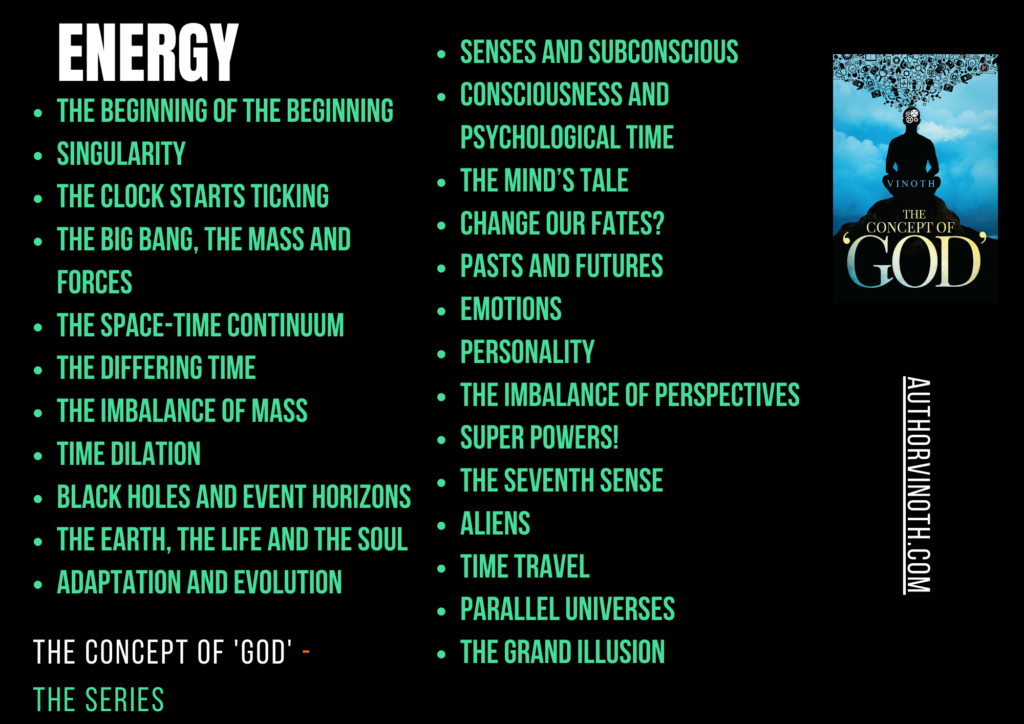
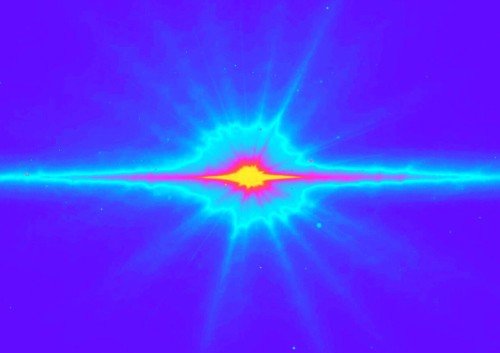
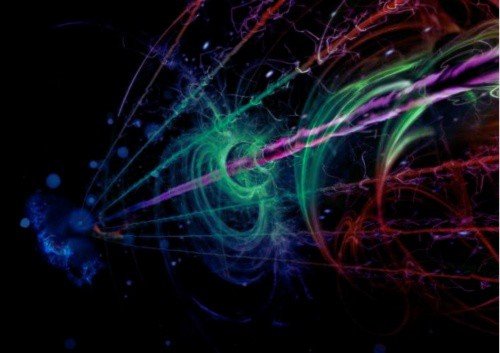
The stars started shaping up, and the elements were born inside them. The supernovae explosions created the heavier elements and spread them into the expanding space.
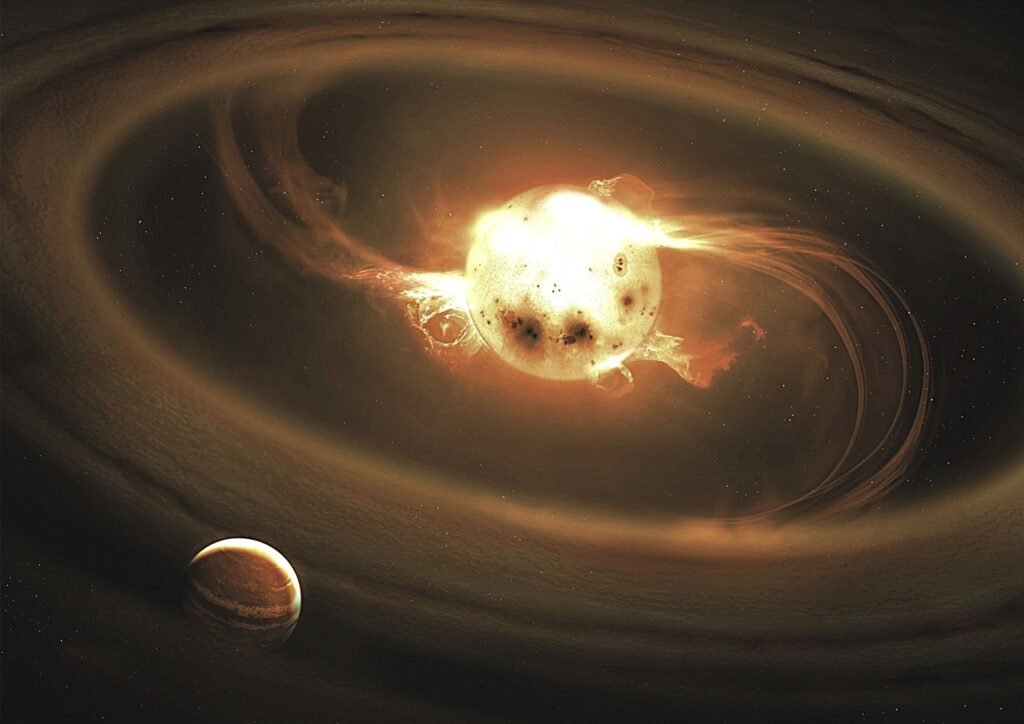
Out of the nebula in one of the corners of the Milky Way galaxy, the Sun started its life along with the formation its planets. Earth was formed, and it took 100 million years for the first life forms to evolve out of the basic elements: oxygen, carbon, nitrogen and hydrogen. It is not their in-born property to form the bonds of life, but the molecules that were best capable of forming an energy field around them came to become the life forms.
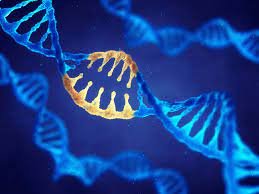
The successful molecules – adenine, guanine, thymine, cytosine and uracil – formed a rigid structure. They were able to conserve energy by constantly absorbing and emitting energy. The exchange of energy led to the rise of the soul in the molecules. The molecules grew out into single-cellular organisms and evolved more into multicellular organisms.
Life, like we saw earlier, is an interaction between all the levels of energy’s momentum. The waves, vibrations, mass and forces formed the atoms and molecules, and the molecules interacted with the energy again to form life!
To ensure the soul’s stability, the molecules used the same elements by selective absorption of nutrients, while to withstand the environmental hazards, the structures of the organisms grew complex. The structure of the physical body depended on the organism’s environment. If the ecosystems were stable, the organisms evolved simple bodies to perform simple functions like absorbing energy through matter and using energy to absorb matter again and so on. If the surroundings had extreme conditions, the body structures changed and adapted to suit its needs.
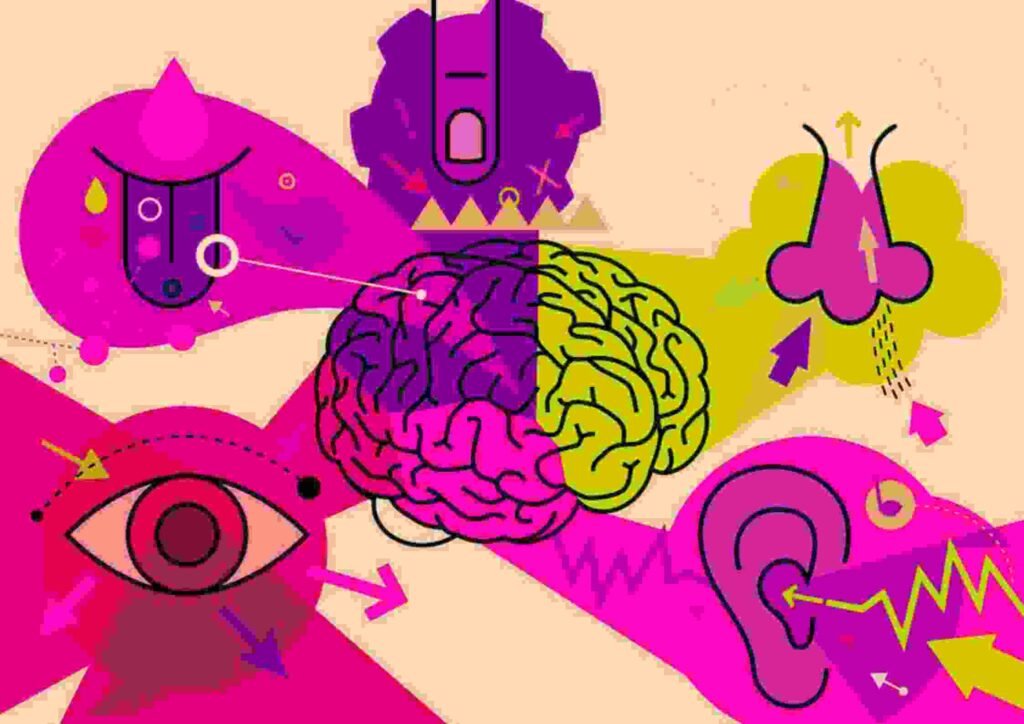
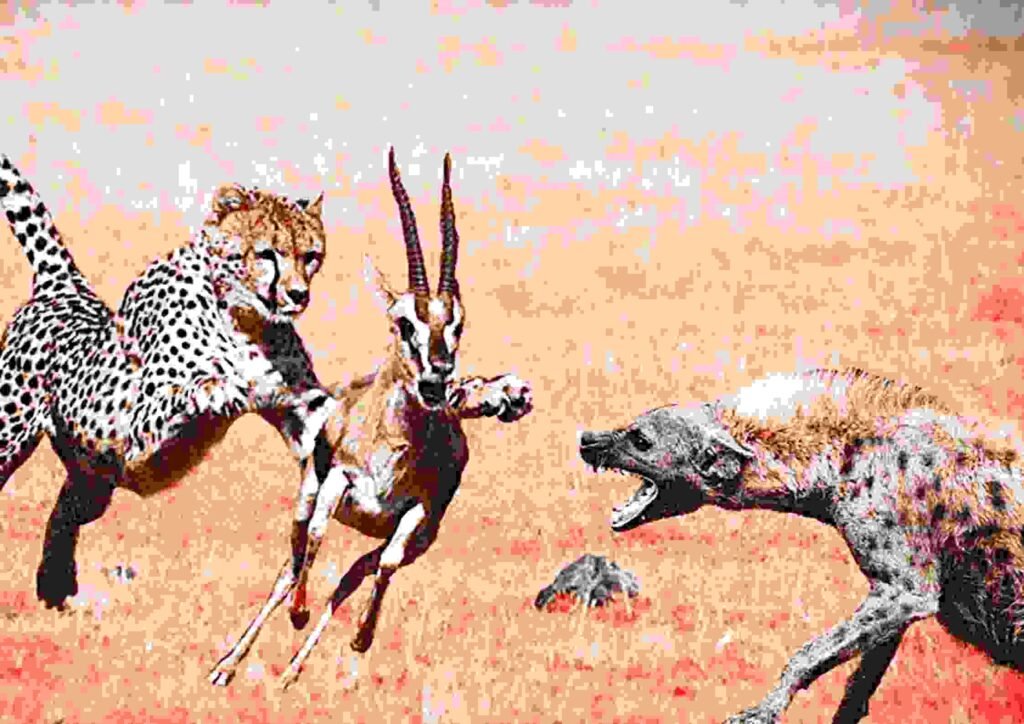
The search for nutrition by consuming other life forms seemed an easier route for some organisms. This led to the distinction between predators and prey! The animals in need for escaping predation evolved complex body structures like bones, shells and teeth. The experiences of the life forms in withstanding time and environment for their survival were recorded in their brains, and they helped as impulses in their futures. These experiences formed the subconsciousness part of the organism’s brains. The life forms, in the course of the evolution of their physical and astral bodies, developed the senses – touch, taste, olfaction, audition and sight – to assist them in effective conservation of energy.
Senses, Consciousness and Psychological Time
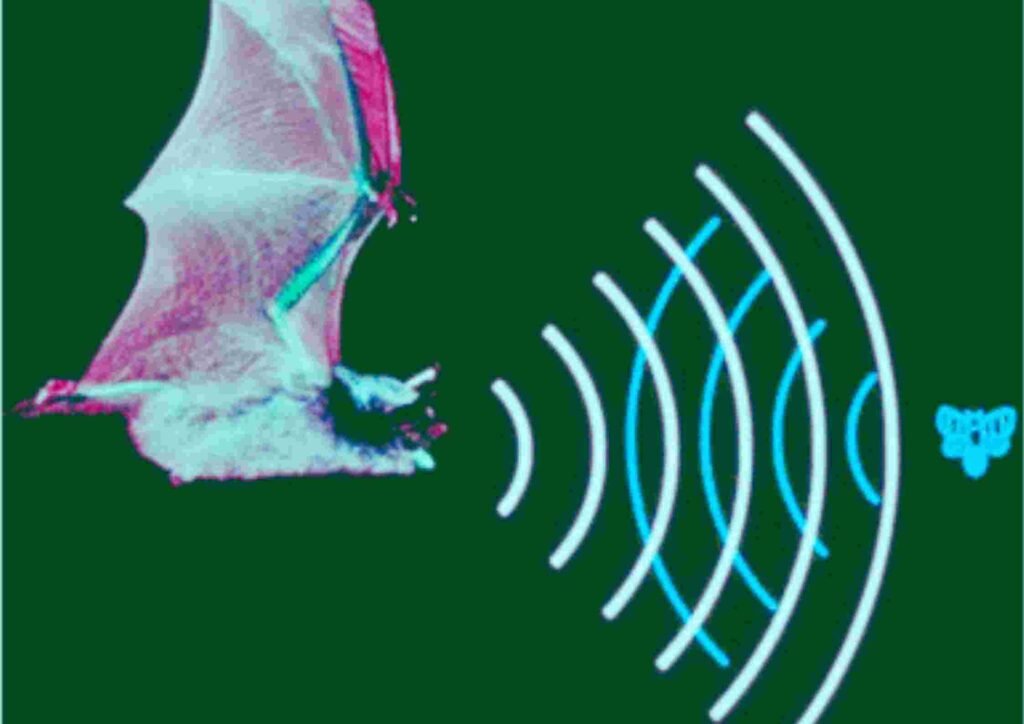
Each sense gave birth to different sensations, but the senses are actually the ability of the soul to perceive the different effects of energy (mass) through the physical body. The sense of touch helped the physical body to perceive energy in the form of matter, heat, pressure, etc., by touching and feeling it. The sense of hearing made the body to perceive the disturbances in space and matter (energy) in the form of sound, and the sense of sight enabled the body to perceive the energy in the form of light! All the senses were oriented towards the effects of energy (not the levels of its momentum) as mass.
When apes finally evolved into us, the Homo sapiens, their physical structure had well evolved to withstand time by consuming energy through matter, but the subconscious part of the brain expanded wide enough to produce the conscious part and consequently, the mind.
Assimilation and analysis of past experiences began, and our human mind got smart enough to understand the existence of a definite past and an unforeseeable future. The emergence of the mind and the consciousness gave rise to the concept of psychological time, the ability to perceive the pace of energy’s momentum, through the various forms of matter (and also forces!).
This means the sixth sense evolved to understand the ultimate effect of energy, time!