The sensory evolution process had a beginning in some simple living beings, with the sense of touch. The ‘touch’ sense in its starting days shouldn’t be confused with our common understanding of touch, where we feel the contact of any foreign body with our own.
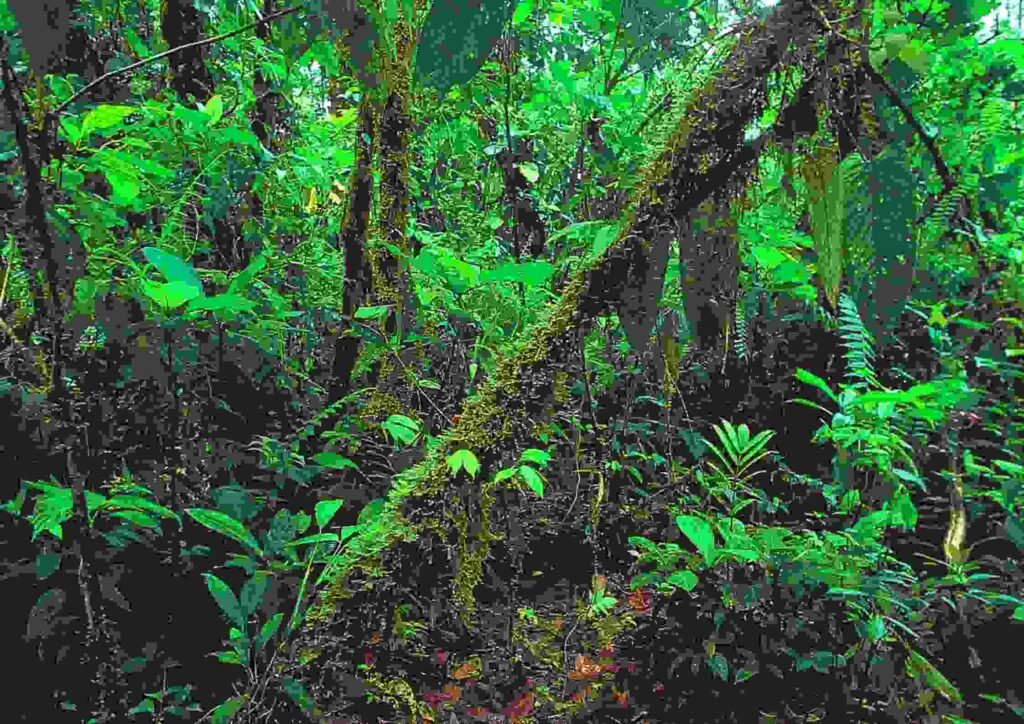
The sense of touch, in its primitive stages, was actually an organism’s response to a stimulus from its external environment. Any such organism with just the sense of touch and devoid of all other senses would’ve had to survive and grow by using the resources it came in contact with. Such organisms were the plants and the trees.
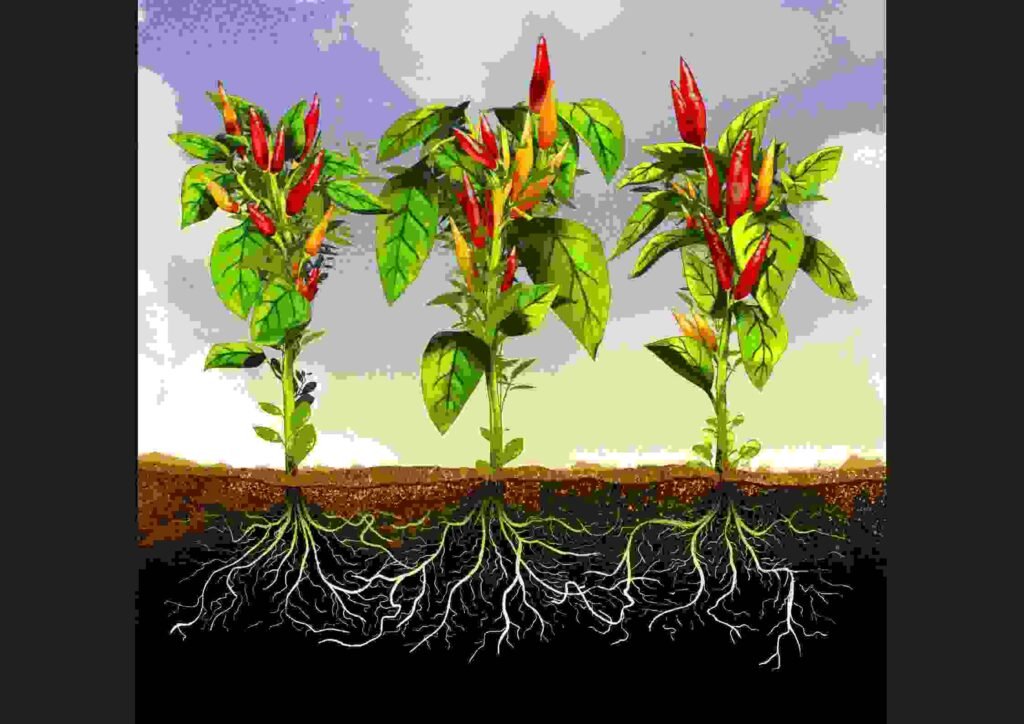
The stimulus for growth of plants and trees are the availability of elements in the form of soil, water and air and the response, selective absorption of nutrients from around them for their growth. And so, with the evolution of flora, the soul evolved to produce the first of the senses – the sense of touch.
With change in the environment, there came a change in the physical structure of plants and trees. This we see in the different plant and tree varieties.

They evolved to suit their environments, like cacti in the deserts and pine trees in temperate regions. With ‘touch’ remaining the same for a while, the organs of their physical bodies underwent change to some levels. For example, the development of thorns in cacti to conserve water in deserts and the growth of broad leaves for effective photosynthesis in trees living in equatorial regions.
With our understanding of evolution in general, it can be seen that ‘touch’ had its beginning with single-cellular organisms. The selective absorption process had been initiated as soon as the organism gained a stable physical body. This sense was then passed on to multicellular life forms (figuratively). With multicellular life, ‘touch’ continued to evolve (!) along with the growth of other senses.
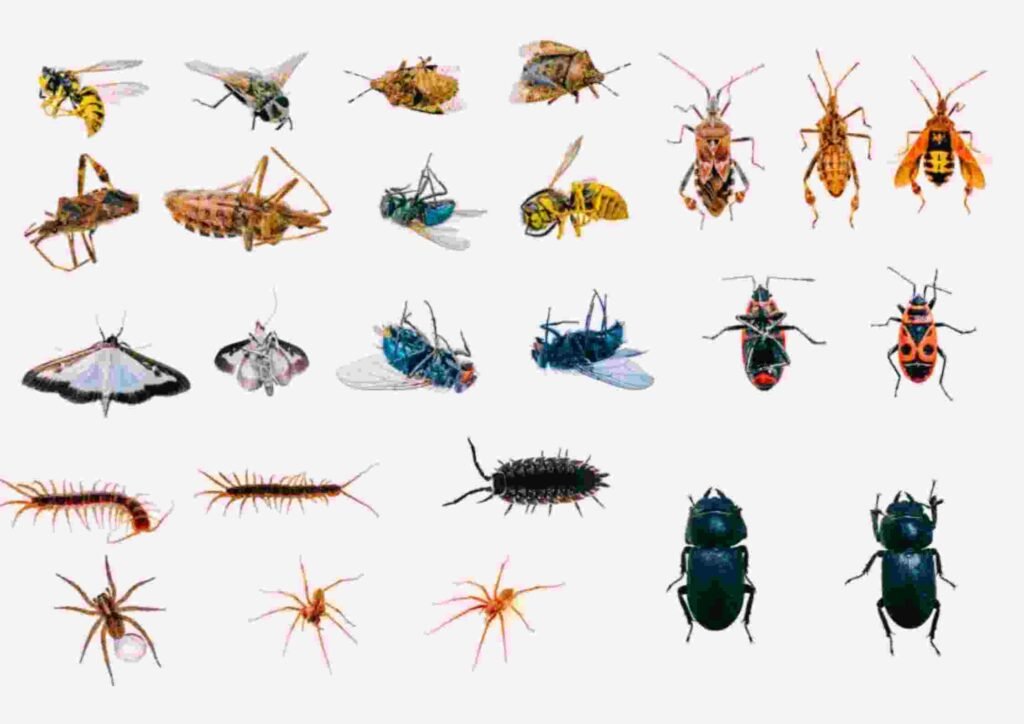
The next step in the soul’s evolution was the birth of the sense of gustation (or) the sense of taste. An organism with the first sense, ‘touch,’ now needed to select the type of matter to ingest into its system. Although ‘touch’ was enough to fulfil the organism’s needs, it couldn’t stop there. With change in time, comes change in the environment where life has to survive. The need to progress started again and the organisms and their souls evolved the next sense, ‘taste.’ And by the time the second sense evolved, the ‘touch’ had modified itself in multicellular organisms to produce the sensations of pain and pleasure, which acted through their body’s integumentary system. Some organisms having the 2 senses are worms, insects and termites.
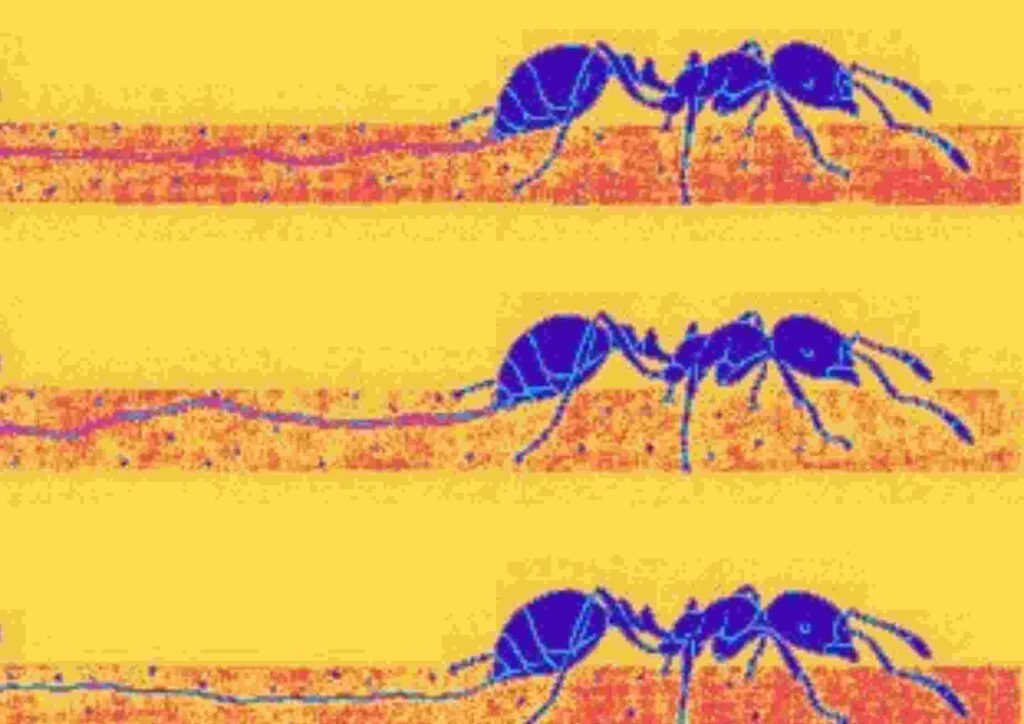
Next to evolve was the sense of olfaction (or) smell, with organisms like bugs, lice, ants, moths, centipedes, millipedes which made use of the 3 senses to survive effectively. The ‘smell’ is used by these organisms to guide themselves in many ways, like the ants which secrete pheromones as odour trails to assist the other members of their group during their search for food. The ‘smell’ enabled the development of pheromone-secreting glands and olfactory organs for reception of odours in their physical bodies. The olfactory organs helped in selective absorption process too by effective nutrient screening.
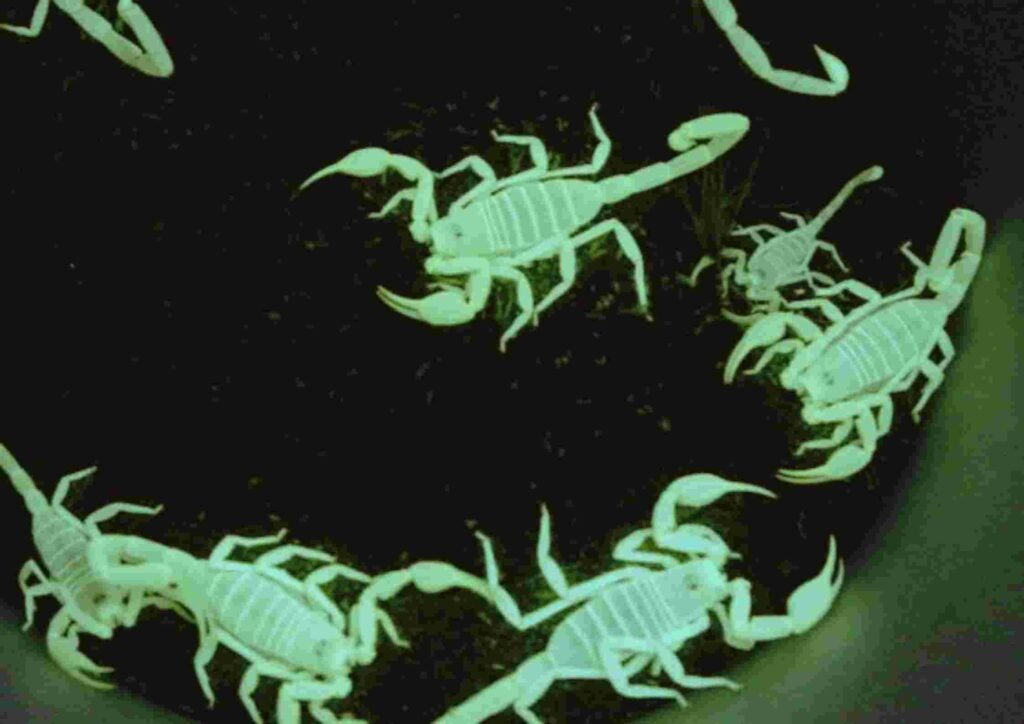
The sense of sight came next with the evolution of animals like snakes, which possess all senses except ‘hearing’ and ‘reason.’ Scorpions, crickets, spiders, beetles, locusts and flies possess the 4 senses of touch, taste, smell and sight. The evolution of the visual organs (eyes) had different effects in different organisms. Some organisms developed eyes that were receptive to the infrared part of the electromagnetic spectrum along with the visible part, while some others, only the visible part. Either way, almost all organisms started dividing into preys and predators. While predators like scorpions used their eyes to hunt, preys like flies used their eyes to escape predation.
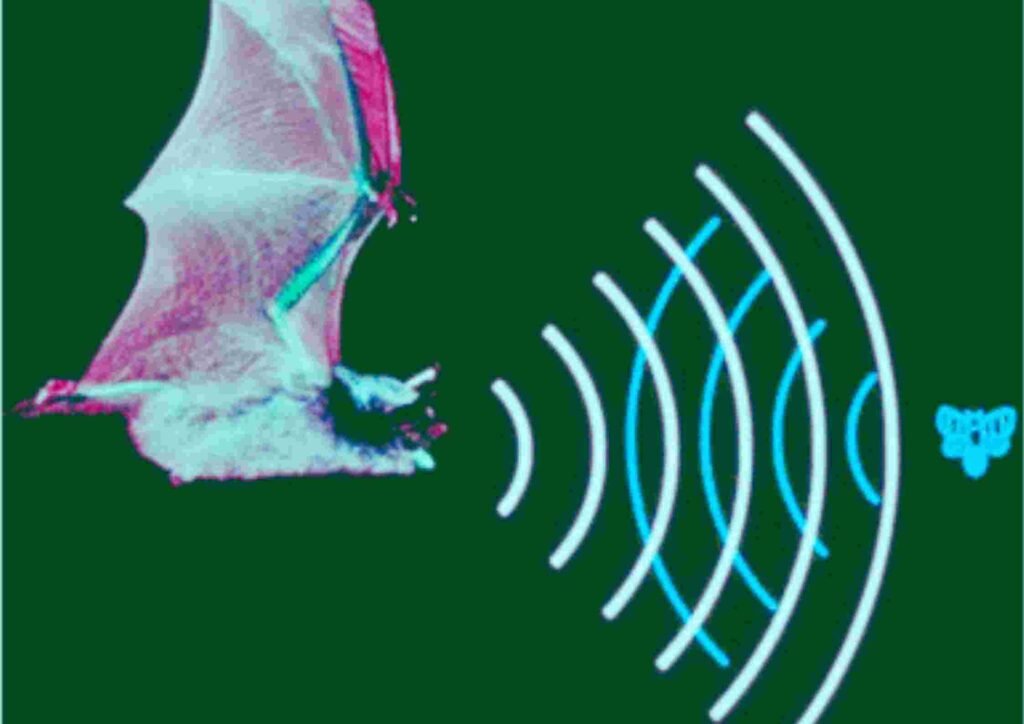
The fifth sense, the auditory modality or the sense of hearing, came with most vertebrates (or the animal kingdom as we know now). The adaptation of animals to sound depended on their reception to the different frequencies of the sound waves. Some organisms like bats developed ears receptive to ultrasonic frequency, while others like dogs became sensitive to the infrasonic range.
The variations of senses and their sensations were obviously because of the change in the environments these organisms evolved in. The senses, although came about the push by the soul, in turn, gave rise to their sensations. All the above 5 senses and their sensations evolved simultaneously and were possessed by any or all of the living organisms that needed them the most.
Finally, the sense of reason developed in the primates out of which came the modern man. By this time, the primate body had grown well-developed organs for each of the senses. Also, the organs were receptive to any or all the sensations created by each sense!
The sense of touch gave both pain and pleasure, ‘taste’ helped in the identification of 6 different tastes (sweet, sour, salty, bitter, pungency and astringency), ‘hearing’ adjusted itself to 20 hertz to 20 KHz, which we have named the audible range, the nose became sensitive to over one trillion distinct scents (!), the eyes became receptive to a very short range of the electromagnetic spectrum (400 nanometers to 700 nanometers) which we call the visible light range.