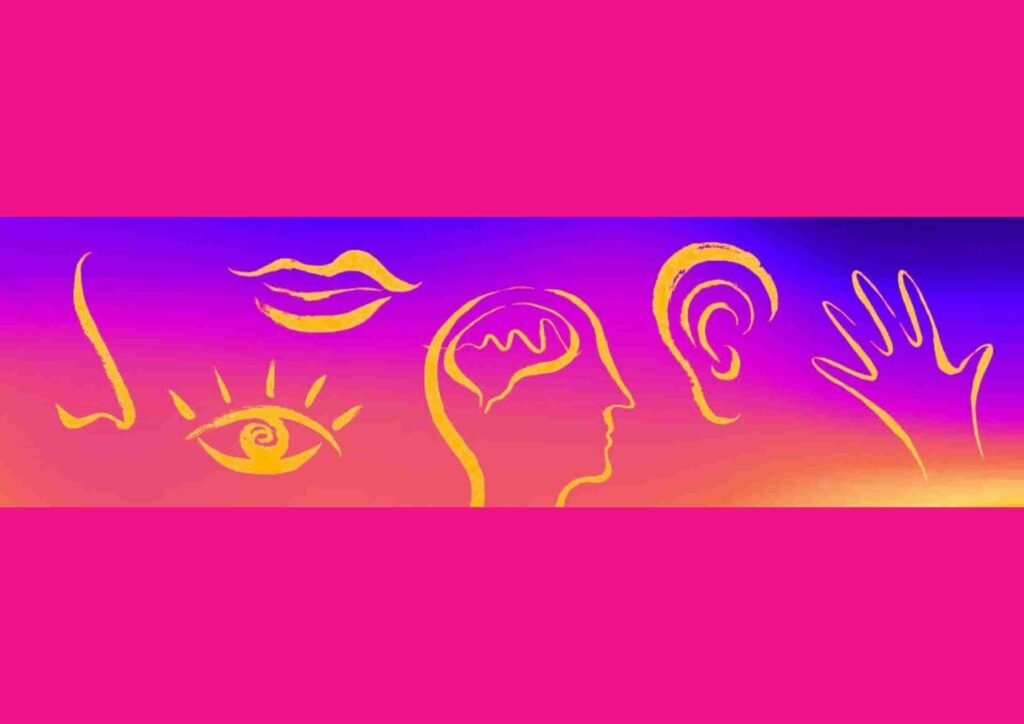
Evolution, as we have seen, starts with a need, a stimulus, and produces a response with an effect. The effect can be a change in the physical structure of an organism or its mental capacities or both.
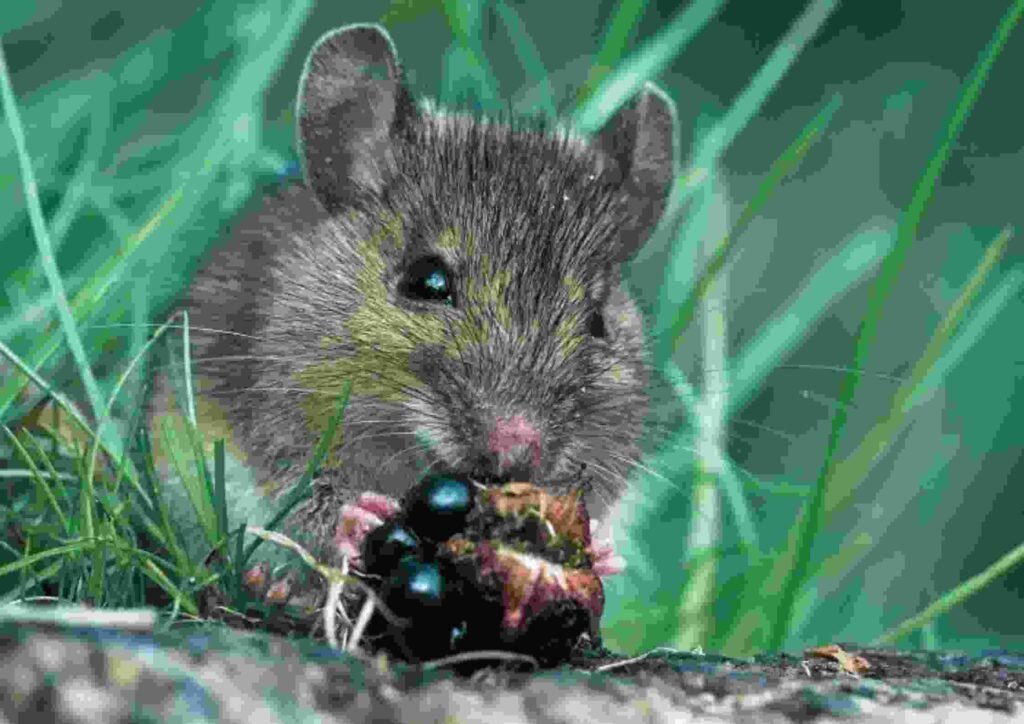
In almost all the cases, the effects of evolution are harmless to both the organism and its environment, that is, up to the five-sensed organisms. But, the evolution of the sixth sense, judging by the history of our existence, has been both advantageous and detrimental. Developments in our understanding of reality have been overwhelmingly high in the past 10,000 years, but the side effects have grown in unimaginable ways too.
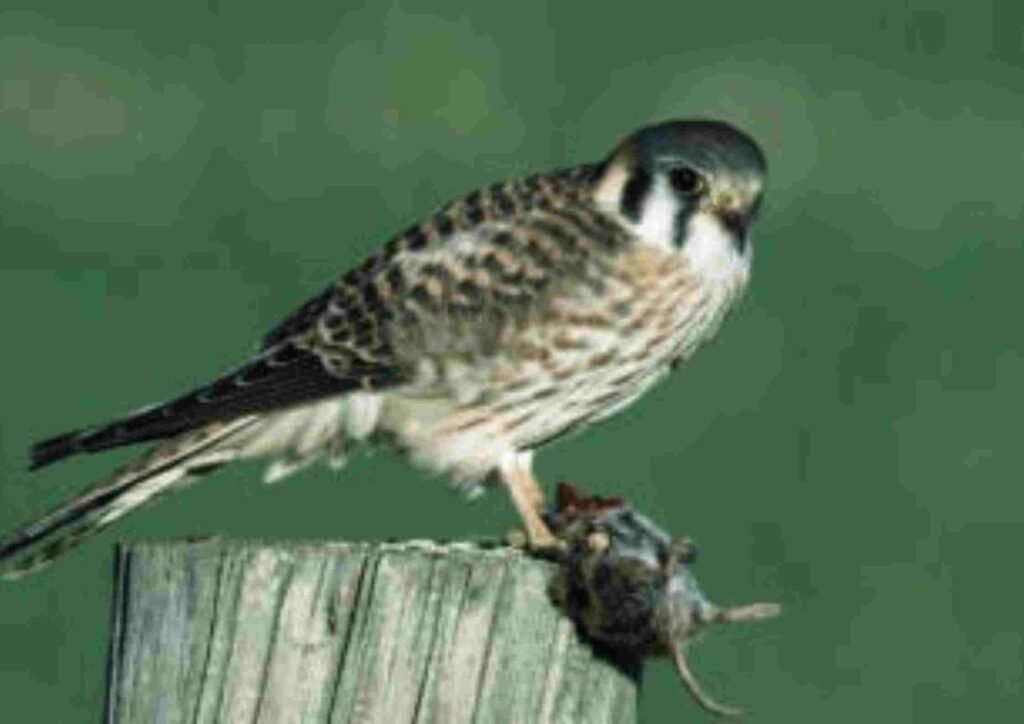
Up till organisms lived with just the 5 senses, they maintained a balance with the environments they lived in. For instance, when the population of a predator increased, the population of the prey was brought down by increased hunting which then resulted in the decrease of the preys’ population, and when the preys’ population increases, the predators’ population increases over time with the availability of more food. This balance was unplanned and was a result of the slow adaptation of the organisms to their environment.
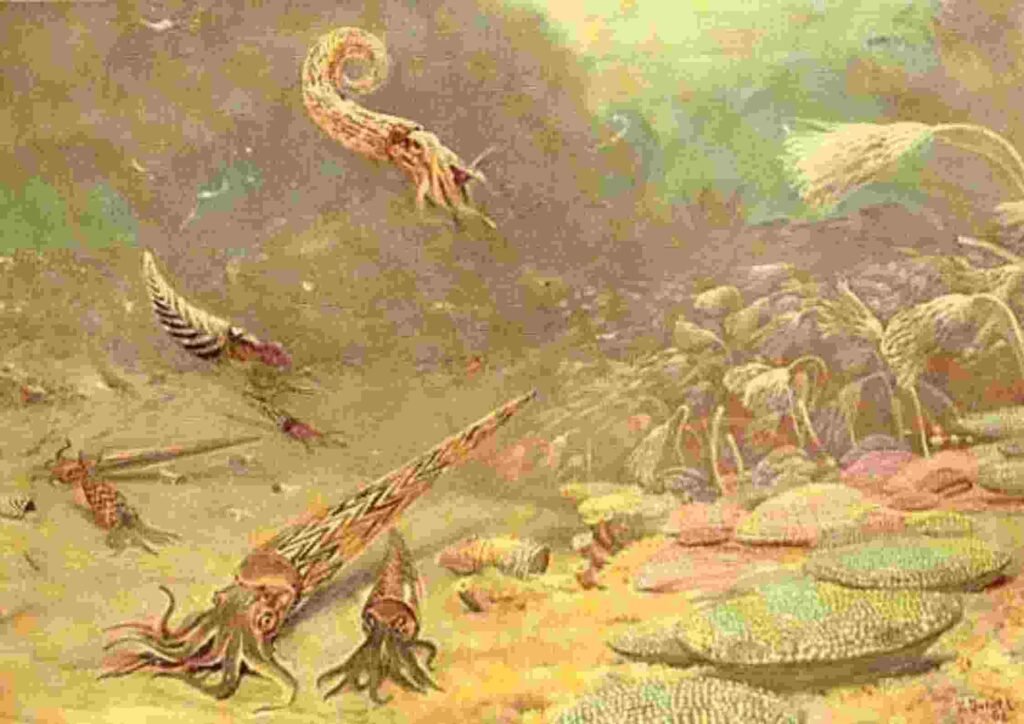
When a four of five-sensed organism felt the need to evolve (its functions), the physical and mental change it went through was slow, and the impact of the change was recuperated by the environment in the same slow pace. In other words, change both inside the organisms and outside them, was slow and steady. In instances where there was a sudden change, the organisms would most likely perish, an example being the extinction events we saw earlier. But, with the development of the sixth sense, the changes humans went through in their mental level were, are and will be huge. There’s no end to this process (unless we kill ourselves!), but there’s always a beginning.
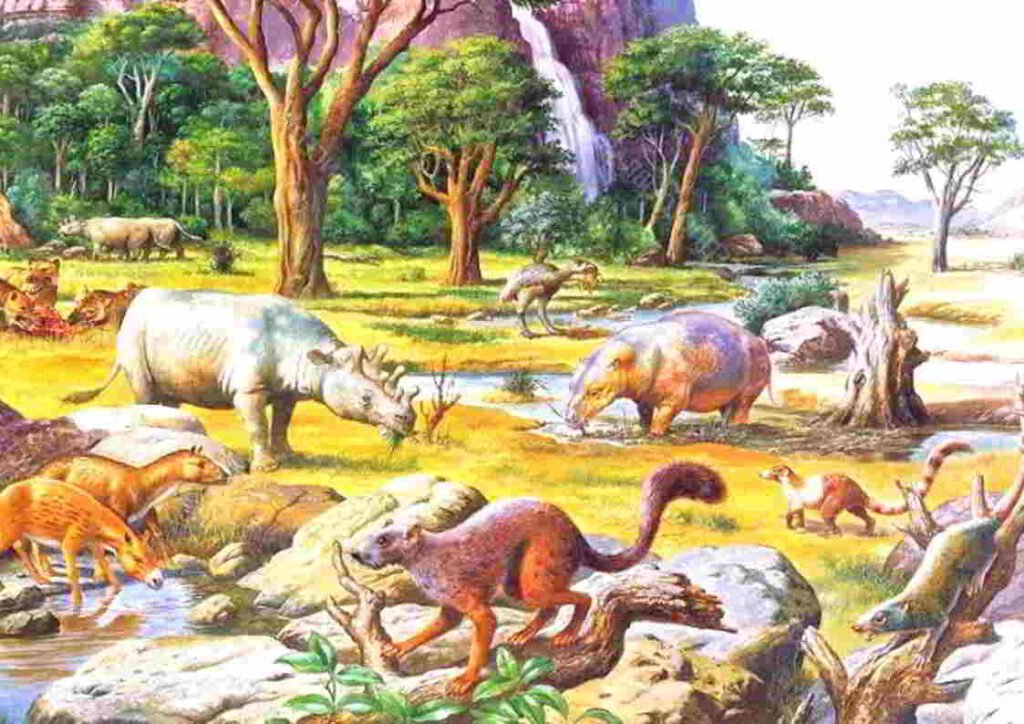
It can be seen that the sensory evolution process according to the Siddha philosophy confines itself to the Cenozoic era and more specifically, the Palaeogene and Neogene periods. This is so because the study of sensory evolution by the Siddhas was done on the animal kingdom that was contemporary to them. Any idea about the varied life forms roaming about Earth millions of years before them was unknown (of course they don’t, they are ambiverts, not archaeologists!). This makes us think about the probability of the sixth sense’s evolution before any of the mass extinction events!
What if a six-sensed species had evolved in the earlier periods of history and died out in the extinction events? Its form might have been different than ours, but it could’ve been capable of thinking and reasoning like us! We may not know the answer yet, but we know for sure that the evolution of senses followed a specific order from touch to hearing, and whenever the process was disrupted by an extinction event, the process started again in newer multicellular organisms. The last 65 million years being relatively stable, has helped the soul to evolve the sixth sense.
The sense of reason is singularly the most beautiful development in the evolution of reality! The instinct to question everything we observe, hear or feel about can only be outmatched by its successor! This ability to imagine, think, conceptualise, argue, contemplate and understand, gave maturity to the soul. Until the evolution of the sixth sense, organisms lived with a minimal level of consciousness about themselves and their surroundings. We don’t see a lion or tiger thinking about life or reality or even God.
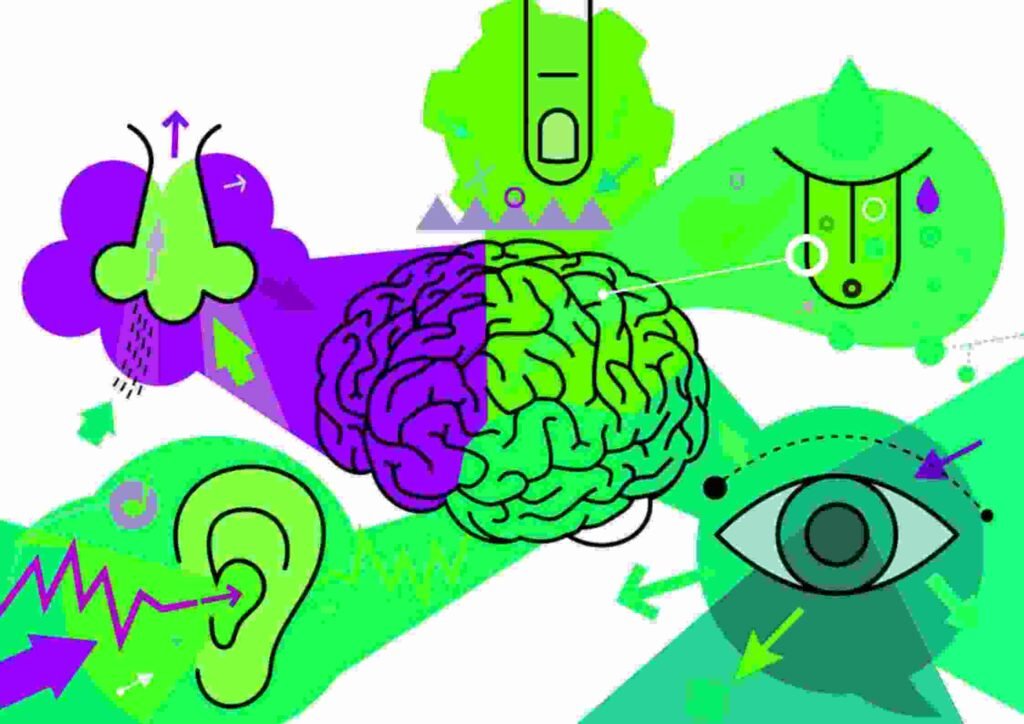
All organisms with up to 5 senses mostly live by instincts; they eat, sleep, reproduce and finally die. This level of living can only be called a primitive consciousness. The total consciousness that came with the sixth sense can be differentiated from the primitive consciousness by the concept called mind.
When the sixth sense gave total consciousness to human beings, the first 5 senses making up the primitive consciousness in other living beings became the subconscious part of the human psyche.