Let’s take the view of 3 different animals, an ant and a dog (for their subconscious) and a human being (for its mind).
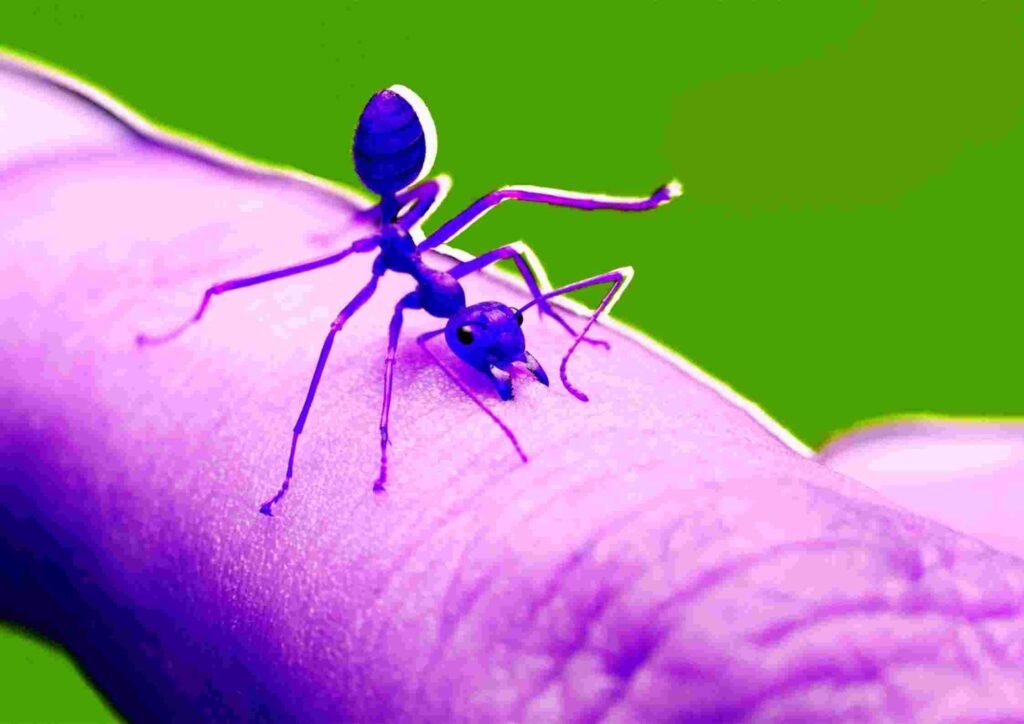
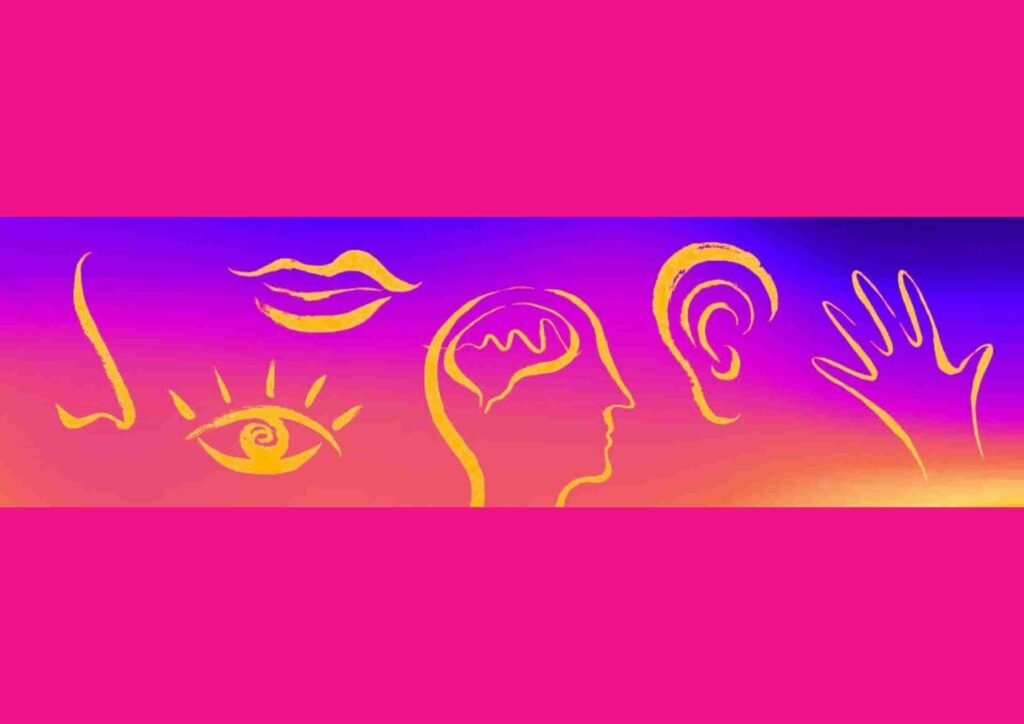
An ant with 3 senses develops a subconscious that observes only a few seconds of the present time in a continuous stream of events. In other words, the present time experienced by the ant is limited to a narrow range or bandwidth. If, for example, the bandwidth of subconscious for the ant is, say, 10 seconds, the ant’s perception of reality around it will be limited to that period, continuously.
At any point in time, the ant’s subconscious remembers the past 5 seconds of its life and expects the next 5 seconds as a future. Beyond this 10-second window, any information about its past will be stored in its brain, but they resurface in the future as only instincts and not memories! Besides, the ant can’t use the past information for thinking any alternate possible options. As for the future; there won’t be any idea or even a guess about it for the ant.

For the dog, with 5 senses, the reality window is quite wider than the ant’s but much smaller than the human’s. If the bandwidth of the present for the dog is one minute at any point in time, the dog experiences a 30-second past and expects a 30-second future from its present second. In both the cases, the present time experienced by the animals is a short interval of reality or, in other words, a constant brief experience of their life. Here, any emotion felt by the ant or the dog is short-lived. The ant, with a short time of present, when provoked, gets afraid, and in its fear, attacks by biting us. And by the time it expresses its anger, the time window moves forward, leaving the ant clueless about why it bit us in the first place!
In the same way, the dog, whose present window is a bit wider, experiences a lot more emotions than the ant. The reality window being a minute or so, any emotion that begins in the dog’s subconscious comes to an end after a minute, unless the dog’s subconscious persists on the same event. The persistence of emotions and sometimes the past experiences is too long in the five-sensed beings that it seems like they have a well-defined thought process. But, that is not so. The animals somehow constantly keep the past experience in their subconscious, that it appears they have a conscious factor in their brains!

In humans, however, the reality window (width of the subconscious) is a whole lot wider and the bandwidth of time pertains to all our past time and all of our futures! By past, we mean the time from which we started our lives, and by the future, we mean the time until which we might live. Beyond these points, any mental image of the past and/or the future is made up of memories and information stored in the brain. Our mind is capable of visualising any event from the past or about the future by using the information already available in our brains.
However complex our mind is, it has a beginning.
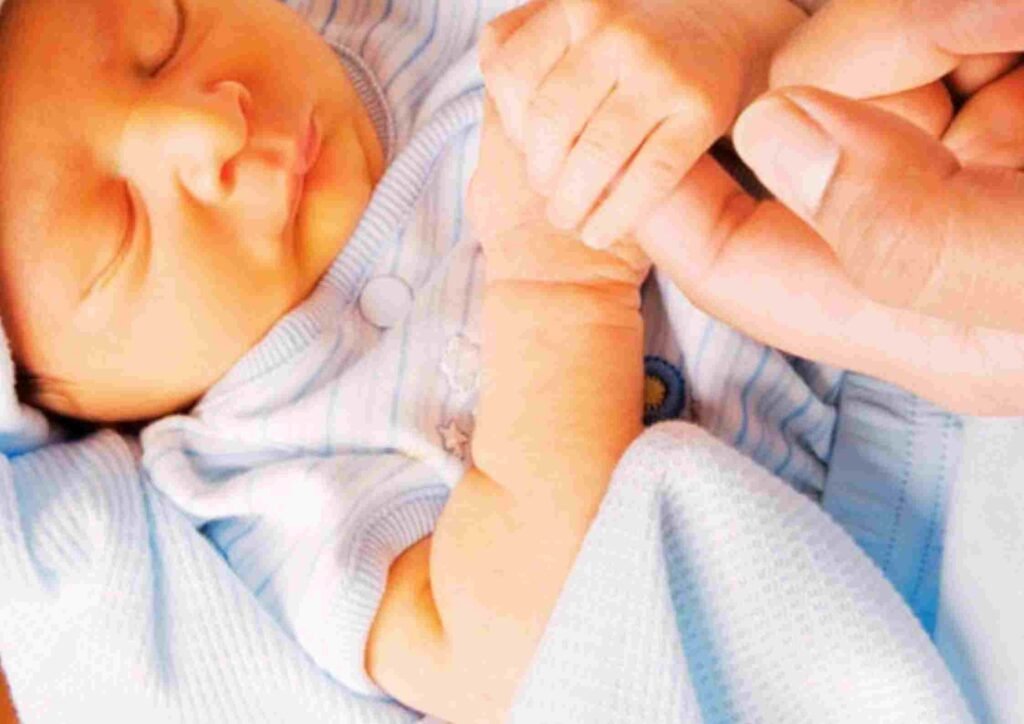
A newly born child only possesses the subconscious part of the mind. We know that a child’s curiosity to learn about its surroundings is visible from its questions and its observation of the reality around it. When the mind reaches a fairly mature state, the conscious part grows up with thoughts about the memories of the past and the hopes for the future.
The window of time (width of the subconscious) for every living being expands with successive senses, that is, the more the senses, the wider the window is. Single-sensed beings experience present time in the most minimal window possible with just a passive response to stimuli. They don’t have the capacity to understand why they do so. With evolution of senses, the window got wider, just like the other senses evolved sensations.
But, after the five-sensed beings, expansion of the time window seems to be quite enormous, since, unlike other organisms, we see ourselves with a clear-cut capacity to view time as past, present and the future. This long jump in understanding time can’t be seen in any other beings. Some animals like dolphins, crows and primates are midway between the subconscious and a well-defined mind. The higher intelligence of these animals (compared with other organisms) is well known.

What can be said from this is that Homo sapiens took a huge leap forward in understanding time than any other species that evolved with it. By our understanding of the subconscious, the time window for us humans should have been a little less than 2 hours, with us forgetting everything we see (at any point of time) in the next hour (one hour of past and one hour of future).

If that was the case, the memories of pasts, though stored in the brain shouldn’t be understandable by the human mind, and only an instinctive reaction must come from the brain every time we see a repetitive event! But, this isn’t so. We clearly understand everything from the past and also understand that a clear future lies ahead of us (we plan for it too!). Also, the capacity to think about possible alternatives of events is quite new in living beings, with only us humans capable of such a feat. The reason for such phenomenon is quite unclear! It may be God or it may be chance, but whatsoever happened in the past, has inevitably led us here to the present.
Let’s now get into the human mind and understand what kind of thoughts and emotions go through it, by imagining a situation.